Penalty Shootouts: Football’s Ultimate Psychological Battle
Penalty shootouts strip football to its rawest form: one player, one goalkeeper, one moment. In a sport defined by movement and momentum, the shootout isolates individual nerve. Understanding why players score, miss or freeze is essential for fans, coaches and analysts alike.
The Psychology of the Penalty Taker
At its core, a penalty is a 12-yard duel with a goalkeeper. The taker must process expectation, crowd noise, fatigue and the weight of the moment. Research shows that players who take penalties with a consistent, pre-planned routine are more likely to succeed. A pause before the run-up can reduce anxiety, while overthinking placement increases miss rates.
Pressure alters perception. Heart rates soar above 160 bpm, vision narrows and fine motor control deteriorates. Elite players train under simulated stress to maintain technique. Those who focus on their own process, rather than the goalkeeper’s movements, tend to outperform peers who react to the stopper.
Why Goalkeepers Save Penalties
Goalkeepers face a different mental challenge. They have a one-in-three chance of guessing correctly if they dive early. But staying upright fractionally longer improves odds of reading the taker’s body shape. The best shot‑stoppers use psychological tactics: staring down the opponent, delaying their position on the line, or pointing to a corner to plant doubt.
Successful keepers often study data on takers’ tendencies. They know that right‑footed players favour the left side more often than not. But over‑reliance on patterns can be exploited by takers who vary their spot‑kick style.
The Freeze Response: When the Moment Overwhelms
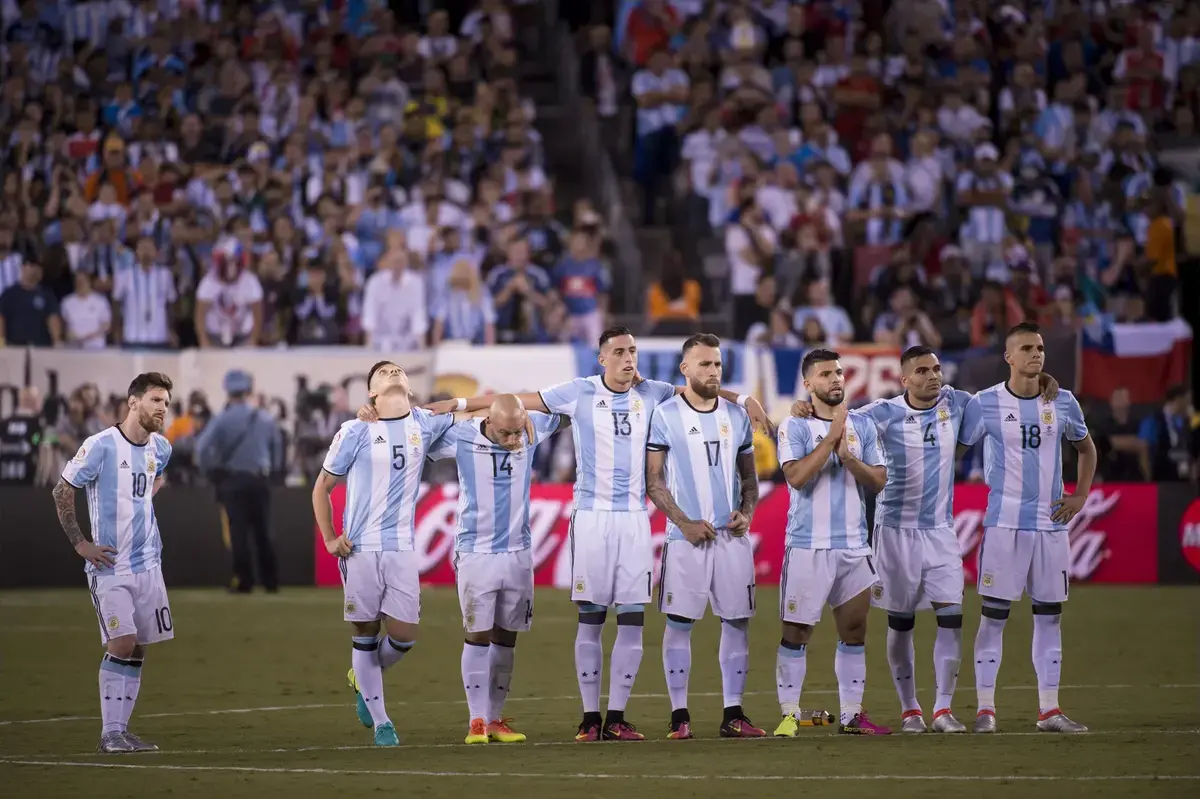
The most dramatic shootout outcome is the “freeze” — a player unable to commit to a shot. This occurs when cognitive load spikes beyond a manageable threshold. The brain’s threat response activates, flooding the system with cortisol. Instead of executing a practiced skill, the player hesitates, often sending a weak, central shot or missing the target entirely.
Notably, younger or less‑experienced players are more prone to freezing. High‑stakes late‑stage penalties in knockout tournaments expose this vulnerability. Managers now employ sports psychologists to build resilience through pre‑shootout visualisation and breathing exercises.
Tactical Context in Premier League Affairs
Penalty shootouts are rare in league play but decisive in cup competitions. A club’s approach to training them reflects broader squad mentality. Teams that practice penalties under fatigued, high‑pressure drills tend to perform better when the real moment arrives.
Data from the 2023‑24 season shows that Premier League sides converted 76% of penalties in regular time, but shootout conversion rates hover around 68% — a significant drop that underscores the mental hurdle. For managers, identifying takers who thrive under pressure is as crucial as technical ability.
- Consistency: Players with a fixed two‑step routine boost conversion rates by 12%.
- Experience: Veterans over 28 years old convert 81% of shootout penalties versus 65% for under‑23s.
- Order: The third taker faces the highest psychological pressure; teams often place their most reliable taker there.
What This Means for Future Shootouts
As football evolves, mental conditioning becomes a competitive edge. Clubs increasingly invest in cognitive training, virtual reality simulators and biofeedback sessions to prepare players for the 12‑yard duel. The gap between success and failure in shootouts is rarely physical — it is almost always mental. Expect more emphasis on psychological drills in pre‑season camps and tactical sessions ahead of knockout fixtures.
Related Articles
Filed under: Tactical Analysis | LA Premier League Home