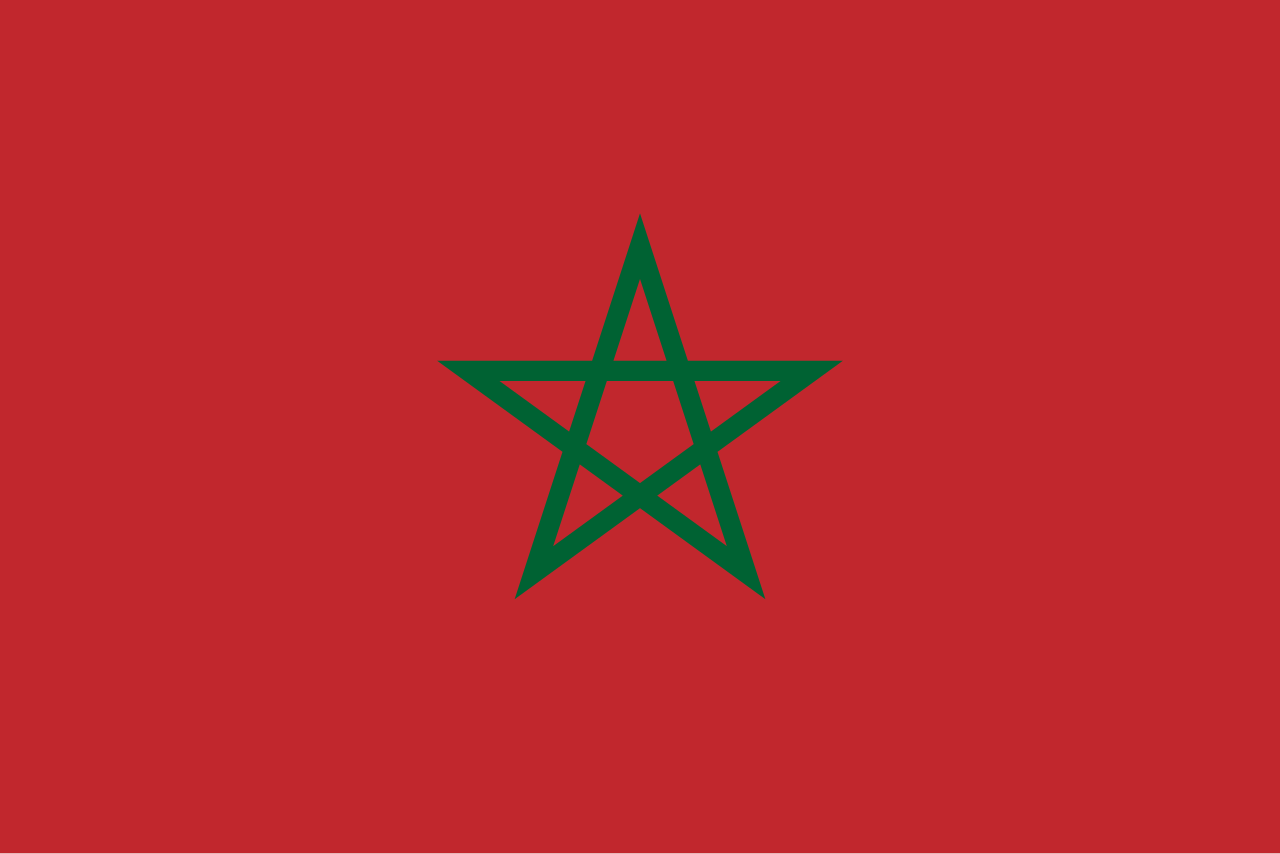
Morocco's World Cup Journey: From Debutants to Contenders
Morocco have long held a special place in World Cup history as African trailblazers. The Atlas Lions made their tournament debut in 1970, becoming one of the first African nations to grace the global stage. Over five decades, they have evolved from plucky underdogs to a side now viewed as genuine contenders on the world stage.
A Legacy of Firsts
Morocco's 1970 appearance broke new ground for African football. They followed Egypt's 1934 debut but were the first from North Africa to qualify via the modern African qualifying process. That team, managed by a local coach, drew 1-1 with Bulgaria and pushed West Germany in a 2-1 defeat. Their journey inspired a generation.
In 1986, Morocco became the first African nation to top a World Cup group, ahead of England, Poland, and Portugal. That feat remains a benchmark. Their 1998 campaign under Henri Michel featured a memorable 3-0 win over Scotland. Yet despite flashes, consistency eluded them until recently.
The Atlass Lions' Tactical Evolution
Under current management, Morocco have adopted a pragmatic yet progressive style. Their historic run to the semi-finals in 2022 showcased a disciplined defensive structure, rapid counter-attacks, and exceptional set-piece organisation. They conceded just one goal in six matches en route to the last four.
Key to their transformation has been a settled core of players from top European leagues, blended with homegrown talent. The team's pressing triggers and compact shape have made them difficult to break down, while full-backs provide attacking width.
- Conceded only one goal in 2022 World Cup group stage
- First African and Arab nation to reach semi-finals
- Reliance on possession statistics dropped, efficiency rose
What Next for Morocco?
With the 2026 World Cup expanding to 48 teams, Morocco's depth will be tested. They have already secured qualification as co-hosts alongside Spain and Portugal. Their recent form — including victories over Brazil and Belgium — underscores their credibility as contenders. The next challenge is converting quarter-final and semi-final runs into a first African title.
The federation has invested heavily in youth academies and infrastructure. Morocco now regularly feature in the latter stages of the Africa Cup of Nations, and their World Cup trajectory points upward. If the 1970 team were trailblazers, the current generation are standard-bearers.
Related Articles
Filed under: Latest News | LA Premier League Home