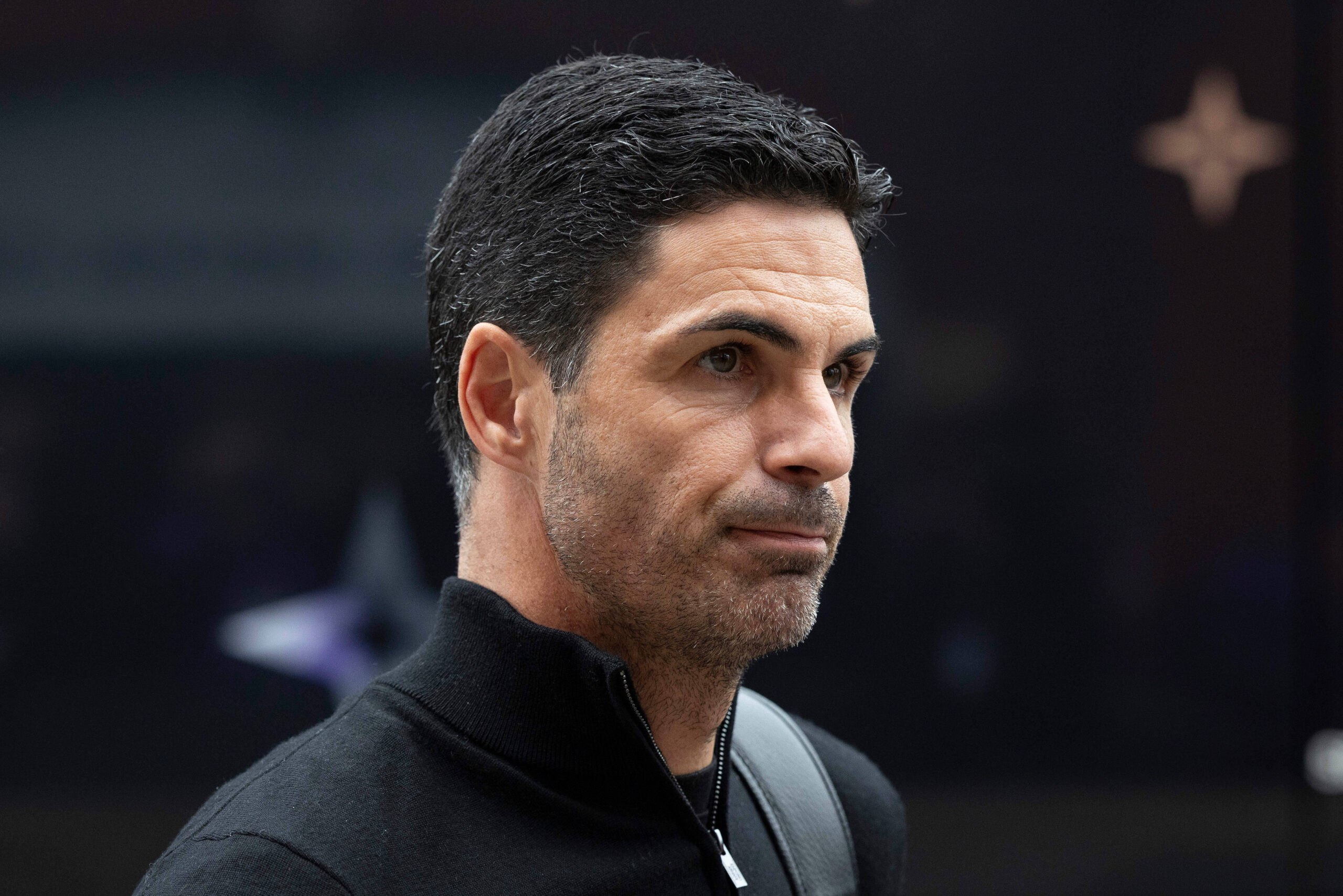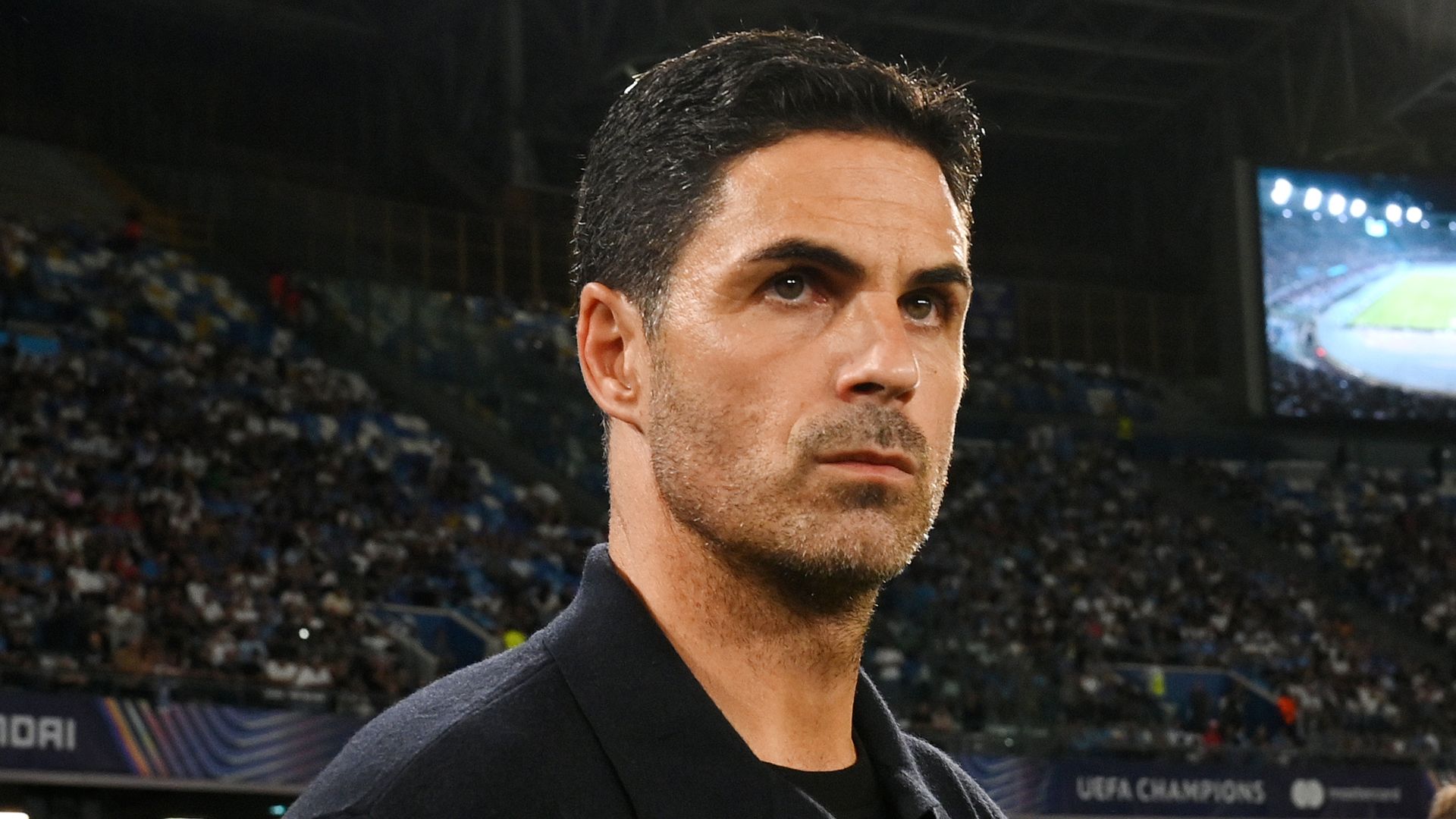

Long before Mikel Arteta transformed Arsenal into Premier League title challengers, he was one of the most intelligent midfielders of his generation. Arteta’s playing career was never defined by explosive pace or physical dominance; instead, it was his footballing brain, technical precision, and leadership qualities that set him apart. Looking back, it’s clear that the seeds of his managerial greatness were sown during his playing days, from his early years in Spain to his starring roles at Everton and Arsenal.
Early Beginnings: Barcelona B and Real Sociedad
Arteta came through the famed La Masia academy at Barcelona, where he learned the possession-based philosophy that would later define his coaching style. After failing to break into the first team, he moved to Paris Saint-Germain on loan and then to Rangers, but it was at Real Sociedad where he truly began to shine. His composure on the ball, passing range, and tactical awareness made him the heartbeat of the team, earning him a move to the Premier League with Everton in 2005.
Everton: The Metronome of Goodison Park
At Everton, Arteta quickly became a fan favorite. Operating as a deep-lying playmaker, he dictated the tempo of games, often completing more passes than any other player on the pitch. Under David Moyes, he was the creative fulcrum, contributing goals and assists while also demonstrating a defensive work rate that belied his slender frame. His ability to read the game and position himself intelligently allowed him to intercept passes and launch counter-attacks. These were the same traits that would later make him a top-level coach: tactical understanding, discipline, and the ability to influence a match from the middle of the park.
Arsenal Captaincy: Leadership Personified
In 2011, Arteta joined Arsenal, initially as a midfield partner to Alex Song and later as the club’s captain. At the Emirates, his role evolved into that of a mentor and leader. Even as his legs slowed, his mind raced, often directing teammates and adjusting formations on the fly. He became the embodiment of Arsenal’s technical style, keeping possession under pressure and breaking up opposition play with well-timed tackles. His iconic last-minute equalizer against Anderlecht in the Champions League is a testament to his big-game mentality.
From Player to Coach: The Signs Were Always There
Arteta’s transition into coaching was a natural progression. His playing career was built on the very pillars that define his management: tactical flexibility, meticulous preparation, and an insistence on high standards. He famously kept detailed notebooks on opponents and analyzed games with obsessive precision. Players who shared a dressing room with him recall his constant questions about tactics and his ability to break down complex plays. It was no surprise when Pep Guardiola hired him as an assistant at Manchester City, where Arteta honed his craft before taking the Arsenal hot seat.
Conclusion
While some great players struggle to become great managers, Arteta’s case is different. His playing style—rooted in intelligence, organization, and leadership—was always a preview of the manager he would become. For Arsenal fans, seeing him prowl the touchline with the same intensity he once brought to midfield is both nostalgic and thrilling. The signs were always there, and now they are bearing fruit in the form of a genuine Premier League title challenge.