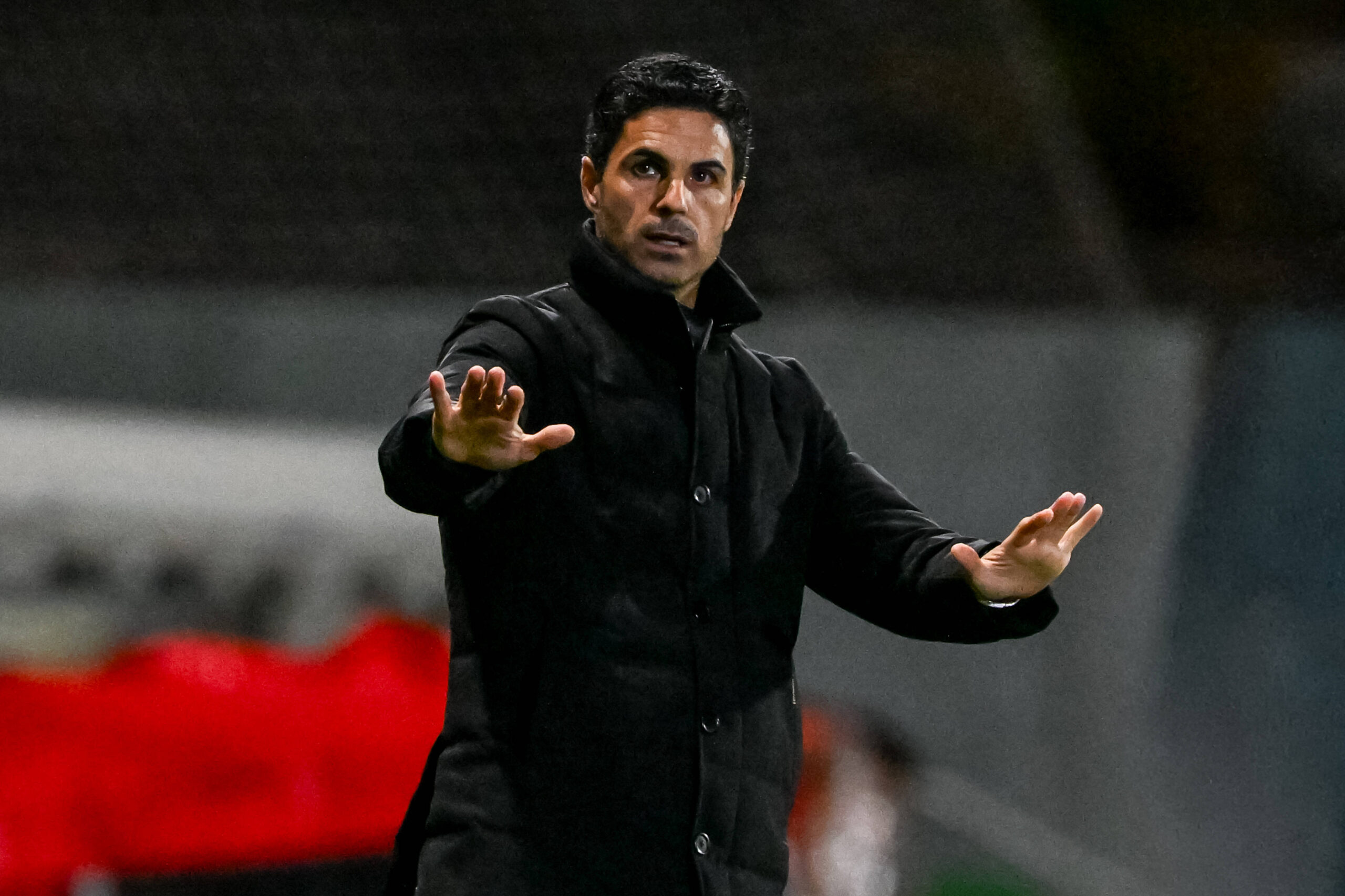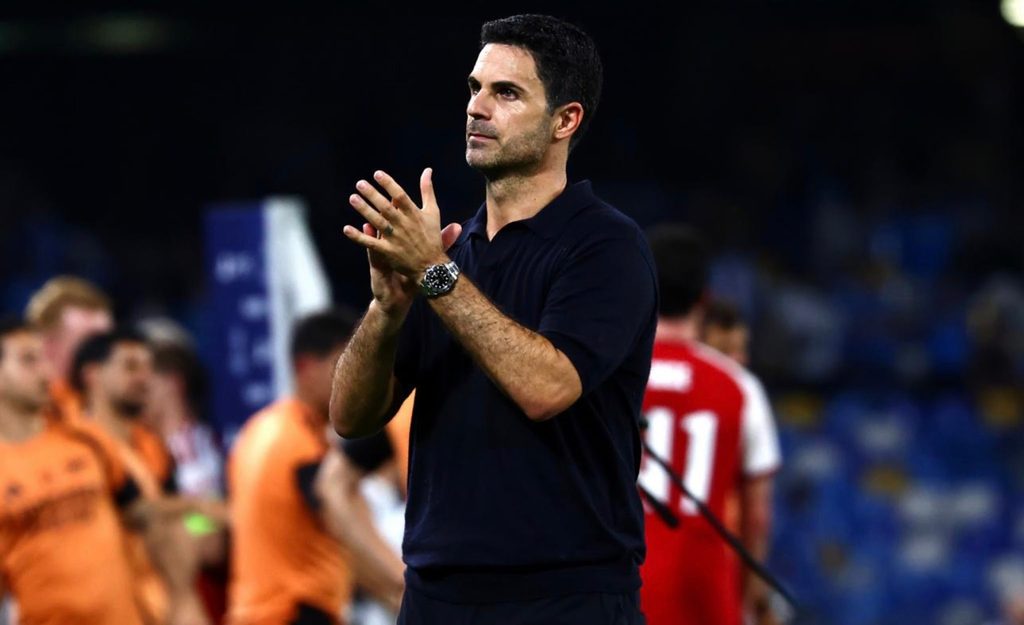
Mikel Arteta agrees Arsenal contract until June 2030
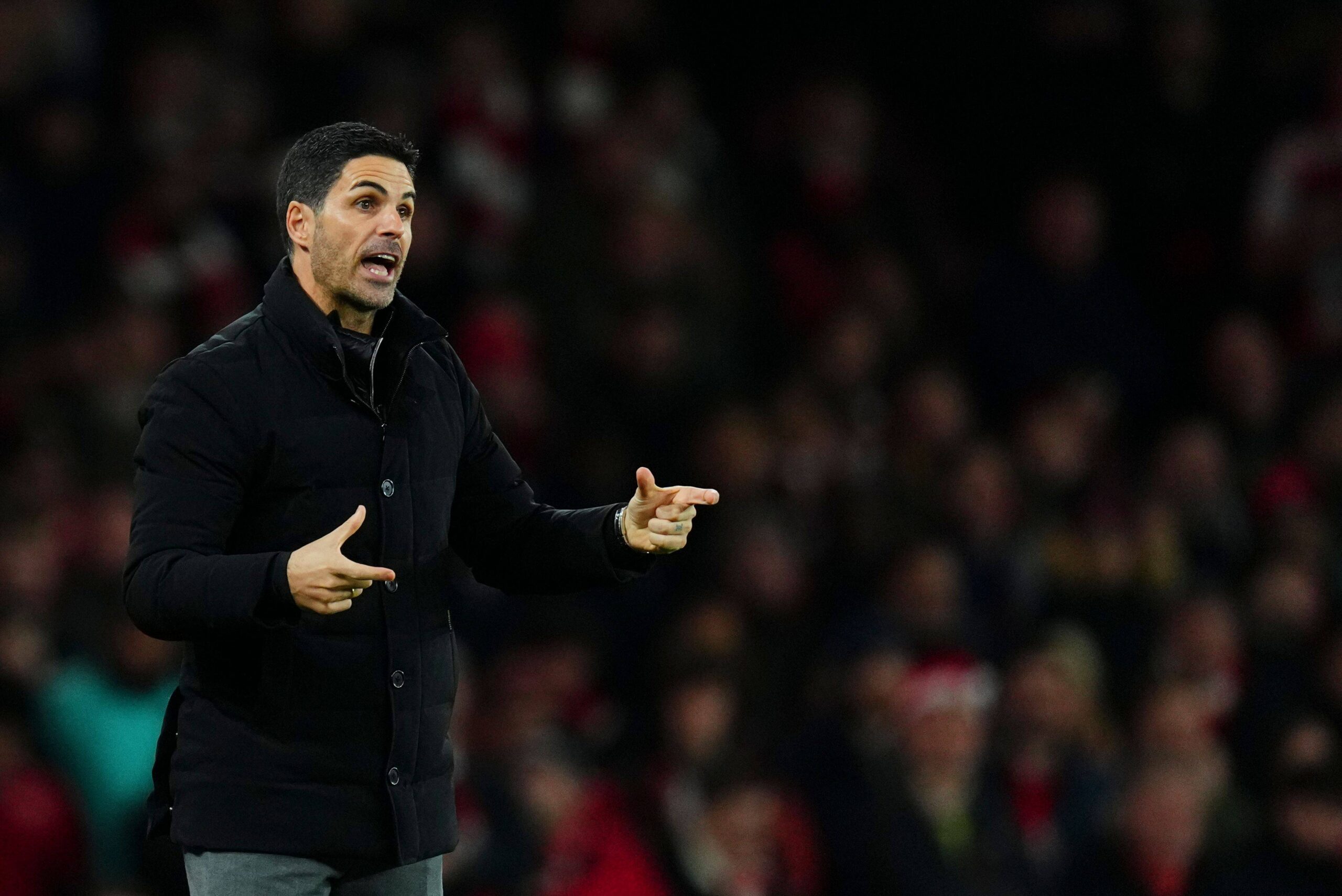
Arsenal announced on 7 October 2026 that Mikel Arteta has agreed to sign a contract until June 2030. The deal follows Arsenal's first top-flight title in 22 years and asks a tough question: is rewarding success the same as future-proofing it?
- Announcement date: 7 October 2026
- Contract length: Until June 2030
- Staff impact: Assistants extended on same terms
- Title won: 14th league title, first in 22 years
- Manager status: Seventh champion manager in Arsenal history
- Current win rate: 62.05% from 361 games
Arsenal's official stance on the extension
Arsenal view the contract not as a culmination but as the start of a new chapter. The extension binds Arteta to the club until June 2030 and keeps his assistants on the same terms. It follows a season in which he became the seventh champion manager in Arsenal history, delivering the club's 14th title and first top-flight trophy in 22 years.
Sky Sports described the current period as a win window, linking the deal to ambitions of dominating the Premier League and winning the Champions League for the first time. Yet the same outlet noted a summer failure to sign a high-level forward, which left the attacking project harder than necessary.
The numbers behind Arteta's Arsenal
- Winning percentage: 62.05% — highest of any full-time manager in Arsenal history
- Games played: 361
- League position in December 2019: 10th
- Title tally: 1 Premier League (14th top-flight title overall)
- Trophy gap: First league crown in 22 years
- Tactical shift: More possession, more passes into the final third, nearly double the long buildup plays ending in shots or box touches
Why the deal buys stability but removes excuses
Arteta's Arsenal now owns the pressure. When a club extends a manager until 2030 after a title, the deal stops being a rescue mission and becomes an empire play. Every tactical misfire, cautious transfer window and flat spring run will be measured against that 2030 commitment.
The hidden risk is comfort. The Guardian reported talks had been ongoing since May, slowed by the summer window, and ended with a deal expected to keep him in place until 2030 after a substantial rise in status and pay. Rewarding success and insulating a regime are not always the same thing. Sometimes a board starts defending its own judgement as much as the man in the dugout.
Arsenal player development is the cleanest case
The strongest defence of the extension is the development pipeline. London Colney has become one of the club's greatest strengths, illustrated by the rise of academy graduates such as Max Dowman and Marli Salmon. Arsenal are not only acquiring talent but developing it.
The senior core was built with a clear strategy. Most key names are aged between 24 and 28. A squad around that age profile does not need a dramatic reset if the structure stays stable and recruitment remains intelligent. Every major Arsenal player now exists inside a clear coaching timeline: the manager knows the dressing room, the club knows the manager, and the team is mature enough to compete yet young enough to learn.
Arsenal win culture or near-miss addiction?
Winning one title is huge. Building a culture where an Arsenal win becomes the expectation rather than the emotional exception is far harder. Sky Sports highlighted underlying numbers that keep this side among the most successful in the league despite a 3-0 loss at Brighton.
The real problem with the renewal is that Arsenal are committing to a coach who has not yet proven he can sustain success. If the next two seasons bring excellent football and points but no more league championships and no European breakthrough, the contract becomes more a vote of faith than a reward. The deal buys stability, but it also wipes out excuses.
Logic versus elite ruthlessness
There is a sentimental reading and a ruthless one. The sentimental reading says Arteta rebuilt a wounded club, restored standards, brought back the title and deserves the keys. The ruthless reading says elite clubs should extend only when they are sure the best years are ahead, not because the recent past felt good. Both have evidence, which is why the debate feels genuine.
Talking points
- Does a 62.05% win rate and one title justify a deal until 2030, or should Arsenal have waited to see a second league crown?
- Sky Sports' note about missing a high-level forward undercuts the project. Can Arsenal win the Champions League without that signing?
- The age profile of 24 to 28 is perfect now, but in two years those players will need renewals or replacements. Is the board ready?
- If the next two seasons deliver top-four finishes and no trophies, will the 2030 deal become a costly mistake?
What happens next
Arteta and his assistants will continue on their new terms, with the immediate focus on the next Premier League fixture and the club's European campaign. The 2030 contract has reset expectations: another title or a first Champions League crown would make the decision look obvious, while a barren run will reopen every old complaint about attacking ceiling and squad balance.
Frequently asked questions
What is Mikel Arteta's new Arsenal contract length?
Arteta has agreed to sign a contract until June 2030, announced on 7 October 2026, with his assistants extended on the same terms.
How many titles has Arteta won with Arsenal?
He has won one Premier League title with Arsenal — the club's 14th top-flight trophy and first in 22 years. He is the seventh champion manager in club history.
What is Arteta's win percentage as Arsenal manager?
He holds the highest winning percentage of any full-time Arsenal manager at 62.05%, from 361 games played, according to the official site.
Related Articles
Filed under: Manager News | LA Premier League Home