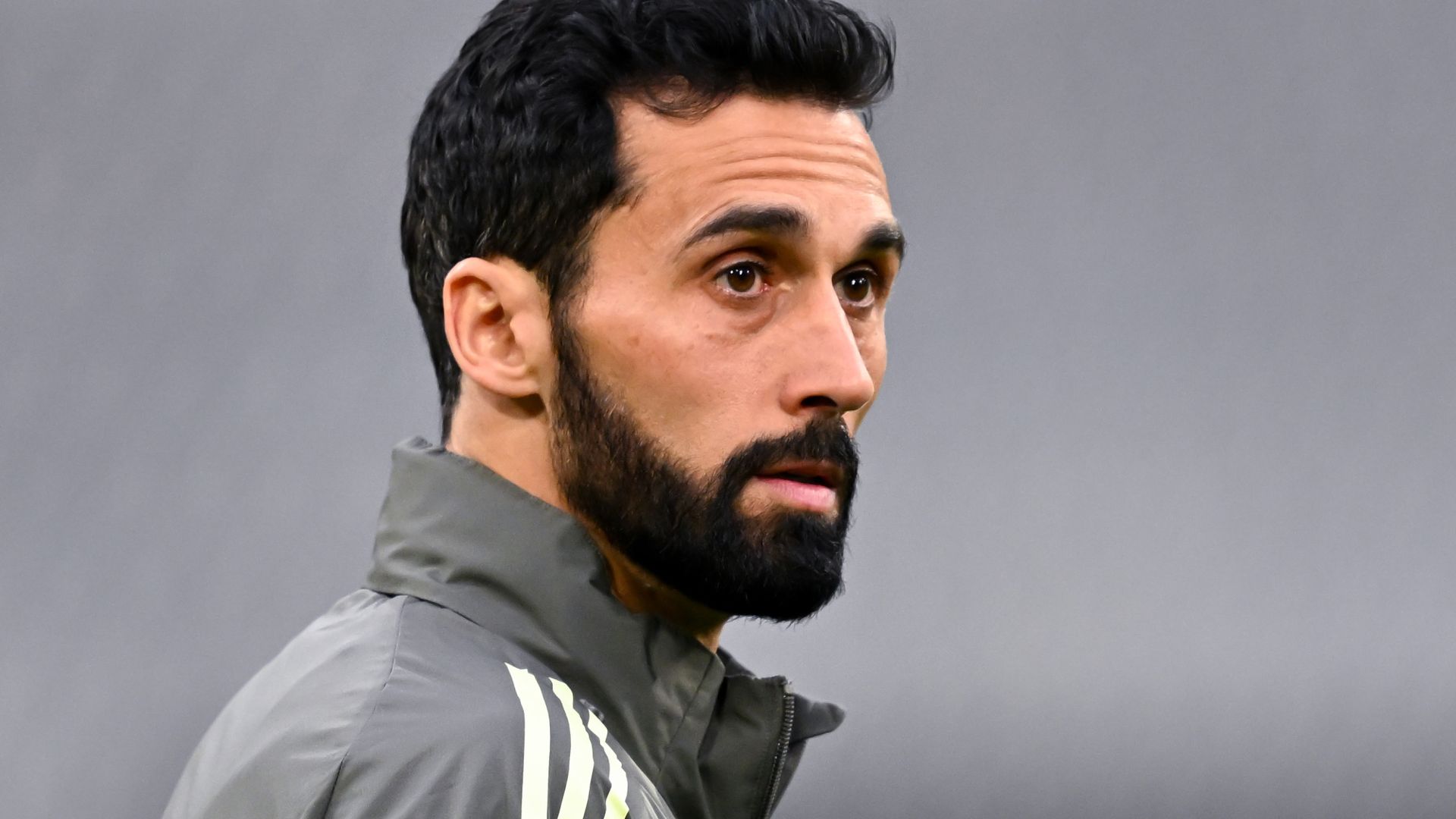

João Palhinha is not a destroyer. He is a metronome with teeth.
We have been sold a myth: that the modern midfielder must pass like a quarterback or carry like a box-to-box oxygen thief. Palhinha does neither. He does something rarer: he wins the ball back and gives it simply, at a relentless tempo that suffocates opponents. This season, he has averaged 4.5 tackles per 90 minutes—more than anyone in the Premier League—and a pass completion rate of 88%. That is not coincidence. That is design.
The maths is simple: recoveries create goals
Fulham rank ninth in the Premier League for possession but fourth in the league for shots from high turnovers. The catalyst is Palhinha. He leads the league in ball recoveries in the middle third, the area where attacks are both killed and born. When he wins possession, Fulham transition quickly—within three passes on average. Compare that to Declan Rice, who often slows play after a steal. Palhinha's instinct is vertical.
Data from Opta shows that Fulham have scored 14 goals directly from Palhinha's recoveries this season. Only Kevin De Bruyne has been involved in more direct transitions for his side. But De Bruyne is a creator. Palhinha is a creator of chaos—he does not assist the assist; he causes the chance.
The case for Palhinha as indispensable
Here is what the numbers tell us, and what the mainstream ignores:
- Palhinha has made 143 tackles this season—20 more than any other player. He also has 82 interceptions, ranking in the top three.
- When Palhinha plays, Fulham concede 0.8 goals per game. Without him, that figure rises to 1.8—a full goal worse. No other Premier League player has a larger defensive impact on his team's xG per 90.
- He has won 66% of aerial duels, a striking figure for a 6'3" midfielder who plays deeper than most. That allows Fulham to win second balls reliably.
The counter-argument: 'He just tackles. That's not enough.'
Critics will say his passing range is limited, that he does not progress the ball upfield often enough, that he lacks the elegance of Rodri or the dribbling of Bissouma. This is true—and irrelevant. Palhinha does not need to be Rodri because Fulham do not dominate possession like Manchester City. His job is to break up play and find a quick, safe outlet. He does it better than any midfielder in the league, including Rice.
In fact, Palhinha's progressive passes per 90 (4.2) are similar to Rice's (4.5), but Palhinha's passes are more often forward into the final third. He chooses risk carefully. And when he misplaces a pass? He wins it back. His turnover rate is the lowest among central midfielders with over 30 appearances.
Prediction: Palhinha will be the Premier League's Player of the Season within two years, but only after a 'big six' club pays £70m for him
Next season, Fulham will finish mid-table—again. Palhinha will be linked to Liverpool and Arsenal all summer. In August 2025, he will join a top side. By May 2026, he will be named Player of the Year. Why? Because his skill set—recovery, simplicity, intensity—is the exact profile the elite clubs overlook until they have watched him dismantle their midfield on a cold Tuesday at Craven Cottage. Mark this: once he wears the shirt of a serial winner, the narrative will flip overnight. You heard it here first.
Related Articles
Filed under: Opinion | LA Premier League Home