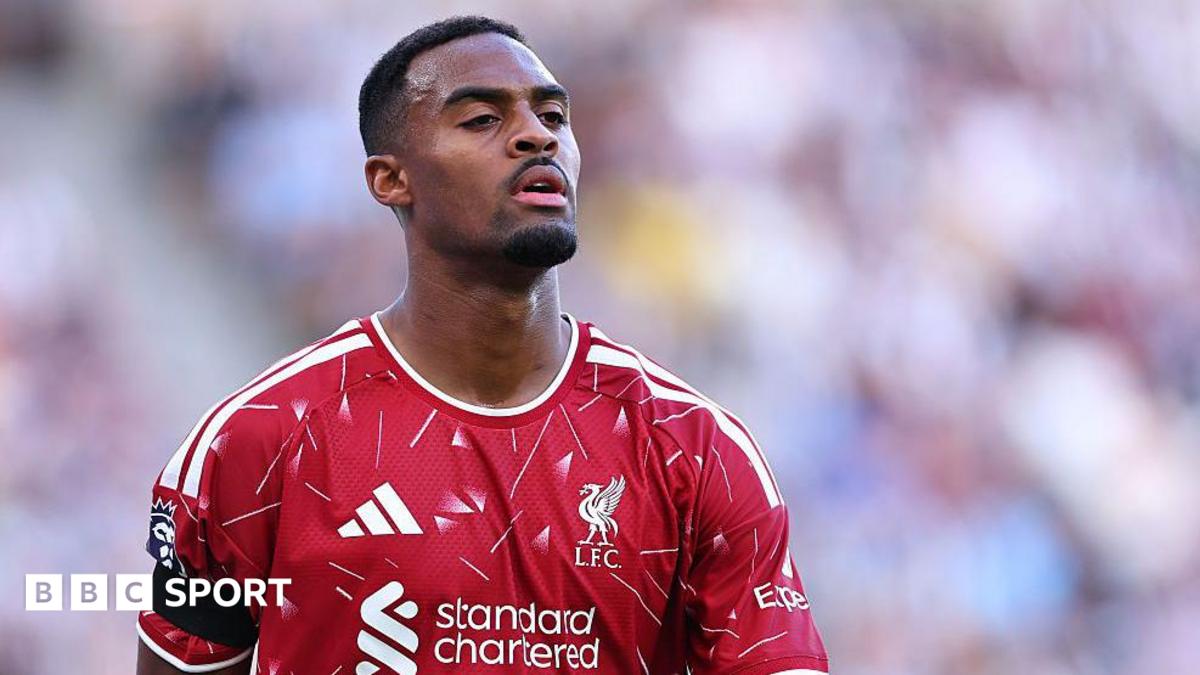
Liverpool's Midfield Frailty Laid Bare at St James' Park
Liverpool's 1-1 draw at Newcastle United on Saturday once again highlighted the club's long-standing midfield fragility, a recurring issue that has cost them dear in recent seasons. With the January transfer window now open, the question on every Reds supporter's lips is whether the club's hierarchy will finally sanction a move for a defensive-minded midfielder to shore up an area that continues to undermine their title ambitions.
The match at St James' Park saw Liverpool dominate possession but struggle to control the game's tempo from the middle of the park, allowing Newcastle to seize momentum after the break. It was a familiar sight for Liverpool fans, who have watched their team overrun in midfield against high-pressing opposition on numerous occasions this season.
The Persistent Problem: A Midfield in Transition
Liverpool's midfield has been a source of concern ever since the departures of Georginio Wijnaldum and, more recently, Jordan Henderson and Fabinho. The current crop, while talented, lacks the defensive steel and positional discipline that the club's system demands. The absence of a genuine number six has left the back four exposed, with opposing teams finding it all too easy to bypass the midfield lines and run directly at the defence.
Statistics from the current campaign paint a telling picture: Liverpool have conceded an average of 1.4 goals per game in the Premier League, a significant increase from the 0.87 per game they shipped during their title-winning 2019-20 season. More worryingly, they have dropped points in six of their 19 league matches, with a clear correlation between those dropped points and midfield dominance by the opposition.
Manager Arne Slot has experimented with various combinations – from Ryan Gravenberch's more advanced role to Alexis Mac Allister's deep-lying playmaking – but none have provided the consistent shield that the defence craves. The Dutchman's preferred 4-2-3-1 formation relies heavily on the double pivot to control transitions, yet neither Mac Allister nor Dominik Szoboszlai is a natural holding midfielder by trade.
Transfer Window: A Chance to Address the Imbalance
With the January transfer window now open, Liverpool have a golden opportunity to address this imbalance. The club have been linked with a host of midfielders in recent months, though no concrete names have been confirmed. Reports suggest that the recruitment team have identified several defensive-minded options across Europe, but whether they are willing to meet asking prices in mid-season remains to be seen.
The financial landscape is tricky. Liverpool have been conservative in recent windows, preferring value over extravagant spending. However, with a potential title race on the line and the club sitting just three points off the top, the argument for investment is compelling. A top-class anchor could transform their fortunes, as seen with Manchester City's signing of Rodri in 2019, which turned them from contenders into serial winners.
Comparisons to that City deal are instructive. When Rodri arrived for £62.8 million from Atlético Madrid, it was a club-record fee for a holding midfielder. Liverpool would likely need to spend a similar amount to secure a player of that calibre today. Yet the cost of inaction could be higher – missing out on the Champions League places alone would cost the club upwards of £50 million in lost revenue.
Impact on the Pitch: What a New Signing Would Mean
Should Liverpool bring in a defensive-minded midfielder, the impact would be immediate and multifaceted. Tactically, it would allow Gravenberch or Mac Allister to push further forward, unlocking their attacking potential while providing a shield for the back line. It would also improve Liverpool's ability to see out games – they have squandered leads in five matches this season, a costly habit that a more secure midfield could cure.
For Fantasy Premier League managers, the ripple effects would be significant. Virgil van Dijk's clean sheet potential would rise, making him even more essential at £6.3 million. Similarly, Alisson Becker's save points could increase, while attackers like Mohamed Salah would benefit from more sustained possession in the opponent's half. A new signing's own FPL appeal would depend on his price and attacking involvement, but a defensive midfielder typically offers limited fantasy upside.
Title Race Implications: Every Point Counts
In the broader context of the Premier League title race, every dropped point is magnified. Liverpool currently trail the league leaders by three points, with Arsenal and Manchester City also in the hunt. The Reds have a tough run of fixtures ahead, including matches against Chelsea, Arsenal, and Manchester United before the end of the season. Without a solid midfield foundation, these games could prove treacherous.
Historically, January signings have often proven decisive in title races. When Liverpool signed Luis Díaz in January 2022, he provided an immediate spark that helped the club win both domestic cups and push City to the wire. Similarly, City's acquisition of Aymeric Laporte in January 2018 solidified their defence and propelled them to a record 100-point season. These precedents underscore the potential impact of a well-targeted mid-season addition.
What Next for Liverpool?
As the transfer window progresses, all eyes will be on Anfield. The club's sporting directors have a fine record of unearthing gems, but they also operate meticulously behind the scenes. Fans would be wise to expect activity, but not necessarily a marquee signing – the hierarchy often prefer loans or opportunistic deals in January.
Nevertheless, the message from the Newcastle draw is clear: Liverpool's midfield needs reinforcement. Whether they act will define their season. With the window open until the end of the month, the next few weeks will reveal whether the club have the resolve to address their most glaring weakness or continue to paper over the cracks.
Related Articles
Filed under: Transfer News | LA Premier League Home