
Leeds United's cautious approach is costing them points in the race for Europe
Leeds United sit seventh in the Premier League with 11 points after eight matches, but five draws have left them frustrated. Daniel Farke's side are organised and hard to beat, yet their reluctance to take risks is preventing them from turning solid performances into victories.
- Position: Seventh in the Premier League with 11 points from eight games
- Record: Two wins, five draws, one defeat; 9 goals scored, 6 conceded
- Draw problem: 62.5% of league matches have ended level, including goalless draws with Crystal Palace and Sunderland
- Key man: Dominic Calvert-Lewin has scored four of Leeds' nine league goals (44%)
- Next challenge: Turning draws into wins could lift Leeds into European contention
The numbers behind Leeds United's cautious start
Despite sitting seventh, Leeds have won only twice. Five of their eight matches have ended in draws, including goalless games against Crystal Palace and Sunderland. Their nine goals include four in a single 4-1 win over Newcastle United; without that, they have scored just five in seven matches.
Defensively, they have been excellent: only once have they conceded more than once, and they are allowing just 0.75 goals per match (one every 120 minutes). At the other end, they average 1.13 goals per game, and their matches have produced only 15 goals in total (1.88 per game). Five of their eight games have contained fewer than 2.5 goals.
At their current rate of 1.38 points per game, Leeds are on course for approximately 52 points, which would likely secure a top-half finish. However, converting just two of their five draws into wins would have given them 15 points and put them in contention for European places.
Why the Sunderland draw exposed Leeds' problem
The goalless draw at Sunderland was the clearest example of Leeds leaving an opportunity behind. Sunderland were bottom of the table with four points from seven games and had lost five of their opening seven league fixtures, while also dealing with European commitments.
Leeds, the higher-placed side with a stronger defensive record, should have imposed themselves. Instead, they finished with 49% possession, and the game remained goalless. An away point is rarely a bad result in isolation, but when placed alongside home draws with Brentford, Crystal Palace, and Manchester United, a pattern emerges.
That is why the argument about releasing the handbrake matters. It is not a demand for reckless football, but a call to recognise when the balance of risk and reward should change.
Leeds United's attacking output is respectable but not dominant
Leeds are producing around 12 shots per game, placing them in the lower half of the Premier League for shot volume. They average approximately 18 touches in the opposition penalty area. Their possession average is around 47%, rising to roughly 52% at Elland Road but falling to about 40% away from home.
They have generated approximately 10 expected goals across their first seven league matches, with an average generally between 1.3 and 1.5 expected goals per game. Some models rank them around 10th to 14th for expected goals and shot volume. Their conversion rate is around 11%, scoring roughly once for every nine shots.
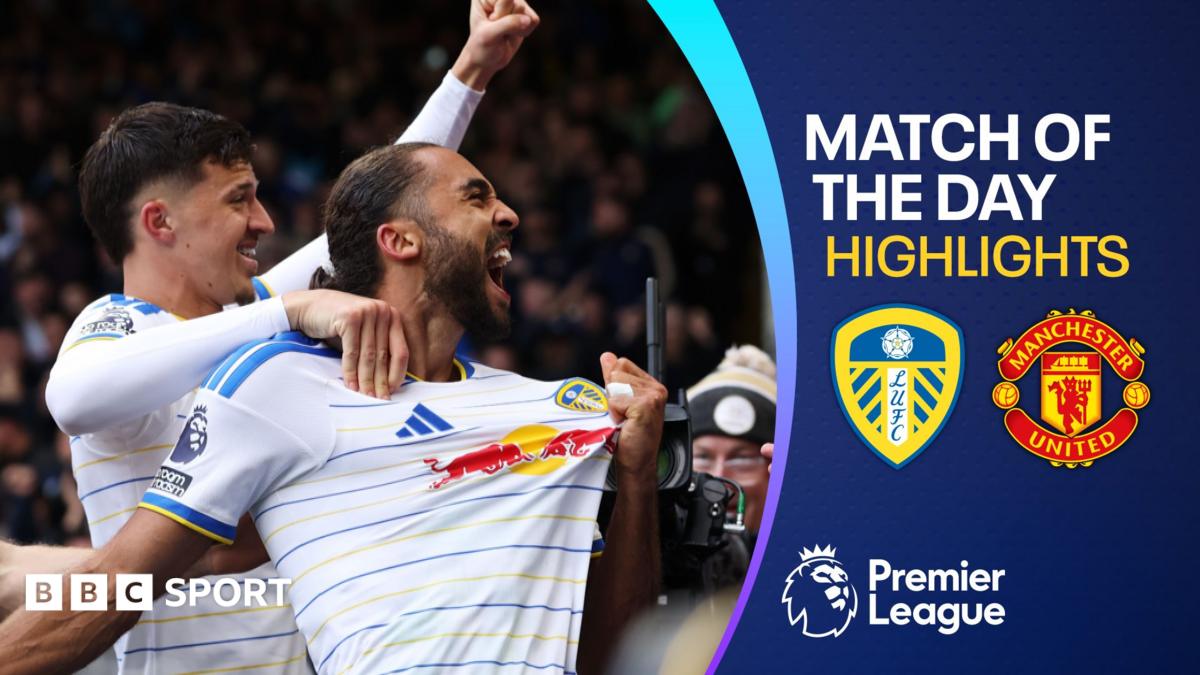
Encouraging signs include a 4-1 win over Newcastle with approximately 2.5 expected goals and only 0.4 allowed, and a performance against Manchester United that yielded 1.5 expected goals while conceding just 0.7. Those displays show what is possible when Leeds commit more players forward.
Calvert-Lewin carries the burden as others struggle for goals
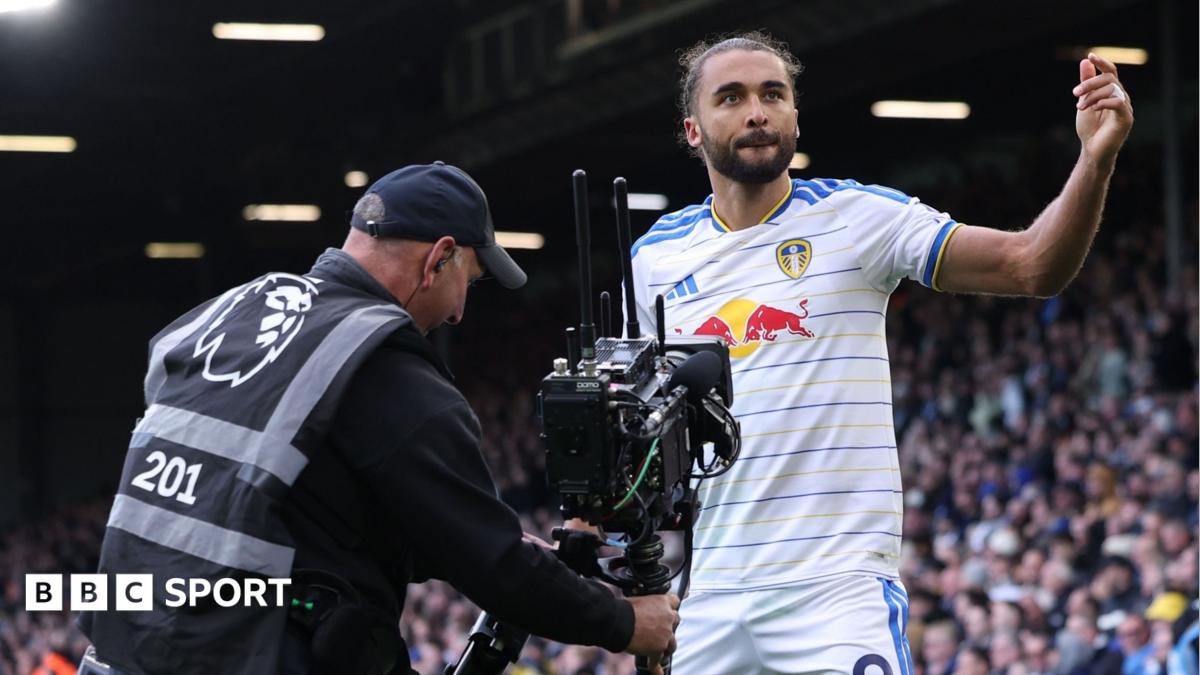
Dominic Calvert-Lewin has scored four of Leeds' nine Premier League goals, providing approximately 44% of their league total. That is a healthy individual contribution, but it exposes the shortage of goals elsewhere.
Jayden Bogle, Anton Stach, James Justin, and Noah Okafor have supplied much of the remaining output. Leeds have benefited from wing-backs, defenders, and midfielders arriving in the penalty area, while set pieces have become an important route to goal.
The team's two leading attacking contributors have accounted for more than half of its expected-goal output. That level of dependency can become a problem over a 38-game season. Calvert-Lewin has registered around 13 shots, with approximately eight on target. His expected-goal total varies between data providers, but broadly sits between 2.4 and 3.8. Either way, he has made an efficient start.
Leeds cannot expect him to convert chances at an exceptional rate all season, so more support must come from attacking midfielders and wide players. Noah Okafor has shown flashes of threat but has only one league goal. Brenden Aaronson has yet to score or assist in the league, while Harry Wilson's minutes have not produced a direct goal contribution.
Daniel James offers pace to stretch opponents and create space behind defensive lines, but injuries and limited playing time have restricted him to little more than 50 league minutes. Leeds have built a side with height, strength, and defensive resilience, but they lack a consistent source of invention between the lines. When opponents sit deep, too many attacks become predictable.
Farke's formation is part of the debate
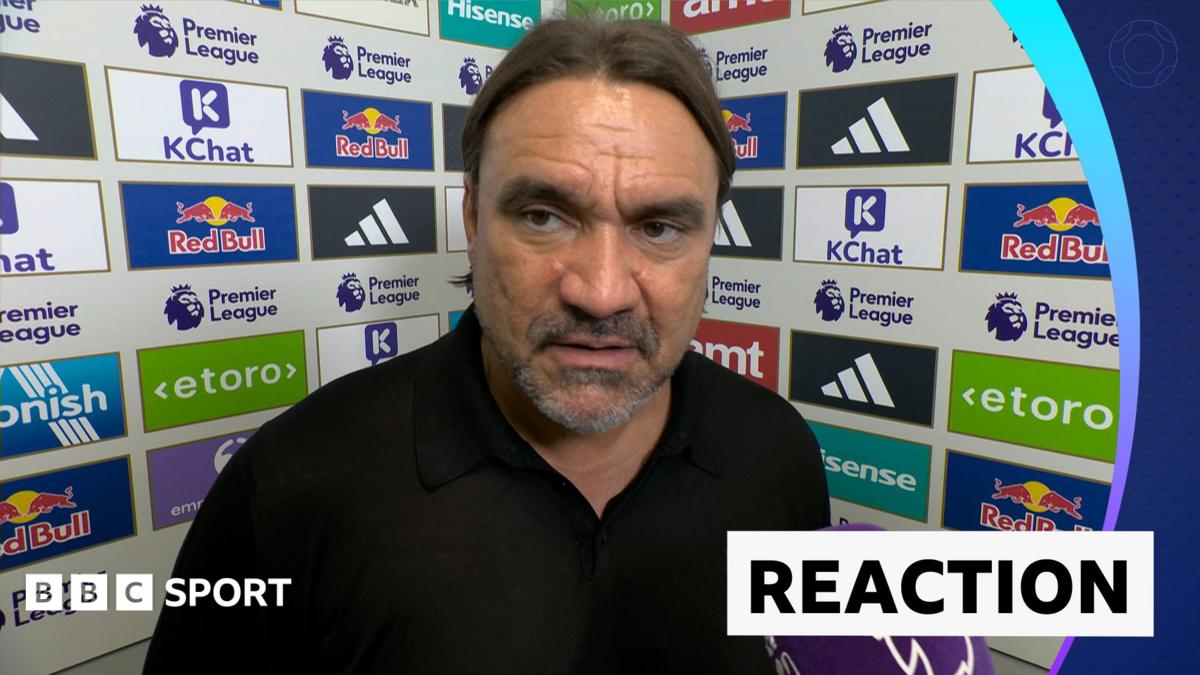
Farke's use of a back three has helped Leeds become one of the Premier League's most secure teams. James Justin's ability to defend as a centre-back while moving towards the right flank in possession gives Jayden Bogle greater freedom to attack. Bogle has responded by becoming a genuine goal threat.
The system has also protected the centre of the pitch. Ethan Ampadu provides discipline in front of the defence, while Anton Stach offers physical presence, ball progression, and a goal threat from set pieces.
However, the formation may need tweaking to add more creativity. Against defensive teams, Leeds could benefit from an extra attacker or a more advanced midfielder to break down low blocks.
Talking points
- Should Daniel Farke abandon the back three against weaker opposition to get more attackers on the pitch?
- Is Leeds' reliance on Dominic Calvert-Lewin for goals a ticking time bomb?
- Are the draws against Crystal Palace, Sunderland, and Brentford two points dropped rather than one gained?
- Could a more adventurous approach yield European qualification, or would it risk defensive solidity?
What happens next
Leeds United's next fixture presents another opportunity to turn draws into wins. With the January transfer window approaching, Farke may also look to add creativity to his squad. The coming weeks will reveal whether Leeds can push for a top-half finish or even challenge for Europe.
Frequently asked questions
Why are Leeds United drawing so many games?
Leeds have drawn five of their eight league matches because they adopt a cautious, low-risk approach that prioritises defensive structure over attacking冒险. This has led to goalless draws against Crystal Palace and Sunderland.
How many goals has Dominic Calvert-Lewin scored for Leeds this season?
Dominic Calvert-Lewin has scored four of Leeds' nine Premier League goals, providing approximately 44% of their league total.
What is Leeds United's current league position and points tally?
Leeds United are seventh in the Premier League with 11 points from eight matches, having won two, drawn five, and lost one.
Related Articles
Filed under: Tactical Analysis | LA Premier League Home