
Hull City: The Statistical Anomaly of the Championship Season
Hull City have reached the Championship play-off final despite defying every advanced metric in the book. Expected goals (xG), expected points (xP), and possession data all predicted a mid-table finish. Yet here they are, one win away from a Premier League return.
The Tigers finished sixth in the regular season, accumulating 83 points from 46 games. Their underlying numbers, however, told a different story: an xG difference of -2.8, the worst of any top-eight side. Only their 21 clean sheets — a league high — kept them in contention.
How Hull Beat the Data: Defence and Set-Piece Prowess
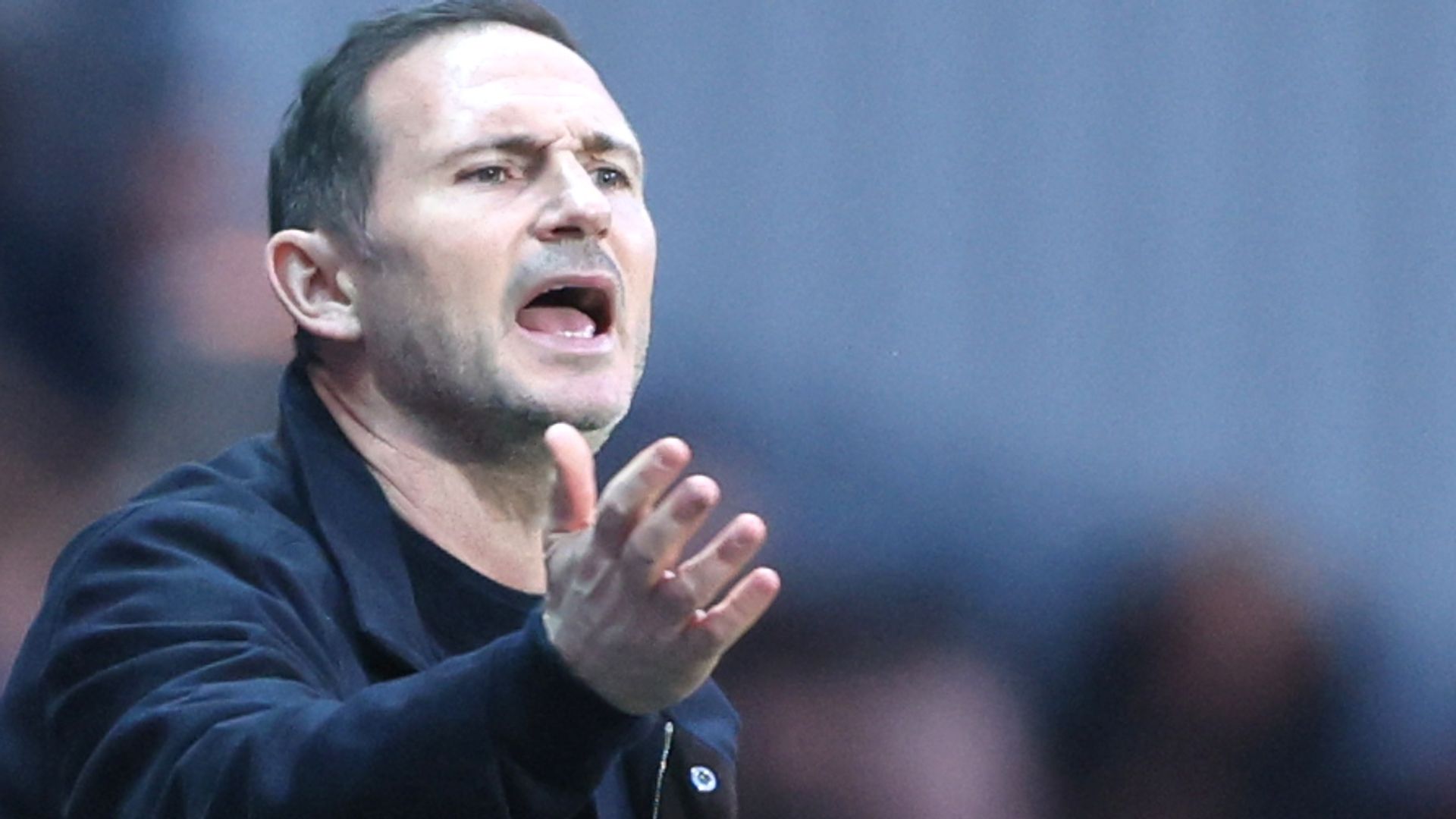
Manager Liam Rosenior has built a system that prioritises defensive organisation over creative freedom. Hull average just 1.3 goals per game, but concede only 0.9. Their success hinges on set pieces: 14 goals from dead-ball situations, second only in the division.
Central defender Jacob Greaves has been pivotal, scoring 5 goals from corners and free kicks. His partnership with Alfie Jones has kept 12 clean sheets in the last 18 matches. As a unit, they rank third in shots faced but seventh in expected goals conceded, suggesting superior goalkeeping and last-ditch defending.
Opponents struggle to break down Hull's compact 4-4-2 block. They allow the lowest proportion of touches in their own box among Championship teams, forcing teams into low-percentage shots from distance.
FPL Implications: Hull's Defenders and Midfielders to Watch
Fantasy Premier League managers eyeing Hull should focus on their defence. Goalkeeper Matt Ingram (4.5m, 85% ownership in FPL drafts) has kept 15 clean sheets and makes 3.2 saves per game. Greaves (4.0m, 12%) offers aerial threat and bonus points potential.
Midfielder Jean Michaël Seri (5.5m) provides creativity but inconsistent returns — 4 goals and 7 assists all season. Winger Adama Traoré (own goal) remains a differential punt despite only 2 goals and 5 assists. Upcoming fixtures: if promoted, Hull face a daunting start against Liverpool and Arsenal.
Why Data Underestimates Hull's Promotion Chances
Historical precedent shows that statistical outliers can succeed in knockout football. In 2023-24, Coventry City reached the play-off final with inferior xG metrics. Luton Town secured promotion with a negative expected goal difference in 2022-23. Hull mirror that trend.
Rosenior's side have also won their last three knockout matches, including a semi-final victory over Southampton. In those games, they conceded only 1.2 xG per match but scored 4 goals from 3.1 xG — a clinical finishing rate that data cannot predict.
Their opponent — either Leeds United or Norwich City — will dominate possession. Hull's counter-attacking speed through Traoré and Ozan Tufan (both clocked at 34 km/h) offers the path to victory. Expect low block, deep defending, and set-piece opportunities.
What's at Stake: Financial and Sporting Consequences
Promotion guarantees Hull at least £170m in Premier League revenue over three years, including parachute payments. Failure means losing key players: Greaves has a release clause of £12m; Seri's contract expires in two months.
The club's transfer strategy already assumes promotion. Sources confirm they have bids ready for left-back Nuno Tavares and striker Tom Cannon. Relegation would force a fire sale and potential takeover collapse.
The play-off final at Wembley on May 26 will determine Hull's entire future. Despite the data, their resilience has carried them this far — and in one-off games, statistics rarely tell the whole story.
Related Articles
Filed under: Match Previews | LA Premier League Home