
Fixture Release: The Season's First Tactical Puzzle
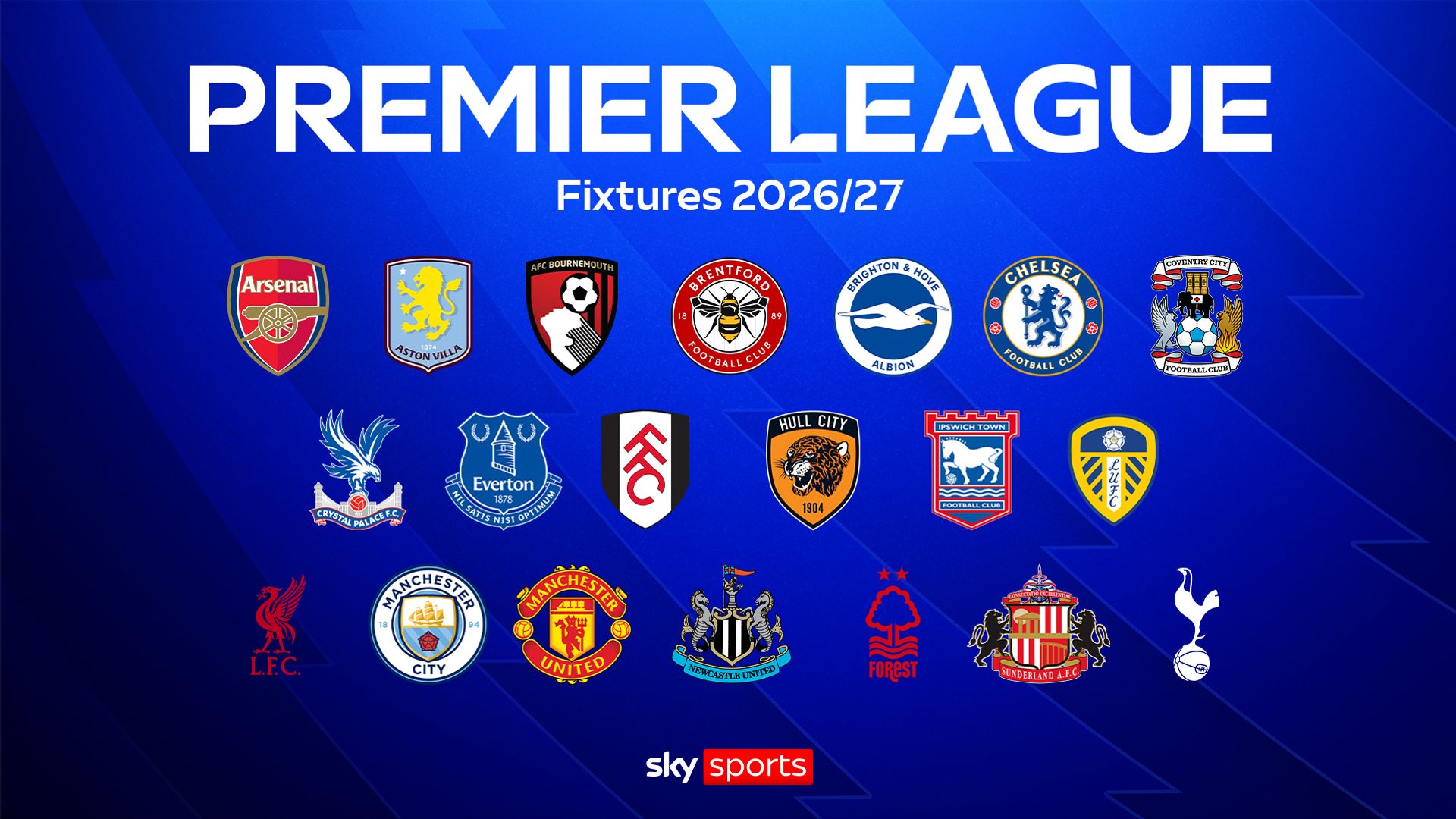
The moment the Premier League fixture list is published, fans pore over it like a master tactician studying an opponent's formation. Dates are circled, rivalries flagged, and early forecasts emerge — all before a single pass is played.
This annual ritual transforms a simple schedule into a subject of intense debate. Supporters assess the run-in, identify potential banana skins, and calculate the points needed for glory or survival.
The fixture list does more than set dates; it shapes narratives. A tough opening month can define a manager's early tenure, while a kind run of festive fixtures can launch a title challenge.
The Analytical Lens: What Fans Look For
When the fixtures land, the first scrutiny is the opening day. A home fixture against a promoted side suggests a positive start; a trip to a top-four contender raises immediate pressure.
Next comes the December-January congested period. Clubs with deeper squads benefit from a favourable schedule, while those with limited resources risk being exposed by a relentless run of games.
Fans also study the final ten matches — the run-in. Balanced home-and-away splits against rivals often prove decisive. Historical data shows that teams with five home games in the last ten have a statistical advantage.
Early Predictions and Their Pitfalls
Despite the excitement, predicting the season from a fixture list is fraught with risk. Last year, a team tipped for relegation after a brutal start finished in the top half after a mid-season resurgence.
Injury crises, managerial changes, and January transfers can render August's assumptions obsolete. Still, the fixture list provides the first snapshot of the campaign ahead.
For broadcasters and advertisers, the list determines which matches get prime slots. The so-called 'Super Sundays' and Monday night fixtures are selected based on derbies and top-six clashes.
What the Release Means for Clubs
For clubs, the fixture list influences pre-season planning. A heavy early schedule may require a faster build-up in training, while a lighter first month allows more time for tactical work.
European commitments also factor in. Teams in the Champions League must navigate Thursday-Sunday turns, while those without European football have clearer weeks to prepare.
Financial implications are significant too. A Boxing Day home fixture against a big six club guarantees higher ticket and hospitality revenue compared to a midweek trip to a smaller ground.
How Fans Use the Fixture List
- Planning travel and holidays: Supporters book time off and arrange trips around key away games.
- Fantasy Premier League strategy: FPL managers target players with favourable fixture runs for transfers and captaincy choices.
- Title and relegation calculations: Fans project points totals based on difficulty of remaining matches.
The Road Ahead
While the fixture list offers a preliminary guide, the season's true story will be written on the pitch. What matters is not just the schedule, but how teams respond to its demands. The first ball may not yet be kicked, but the puzzle has already begun.
Related Articles
Filed under: Latest News | LA Premier League Home