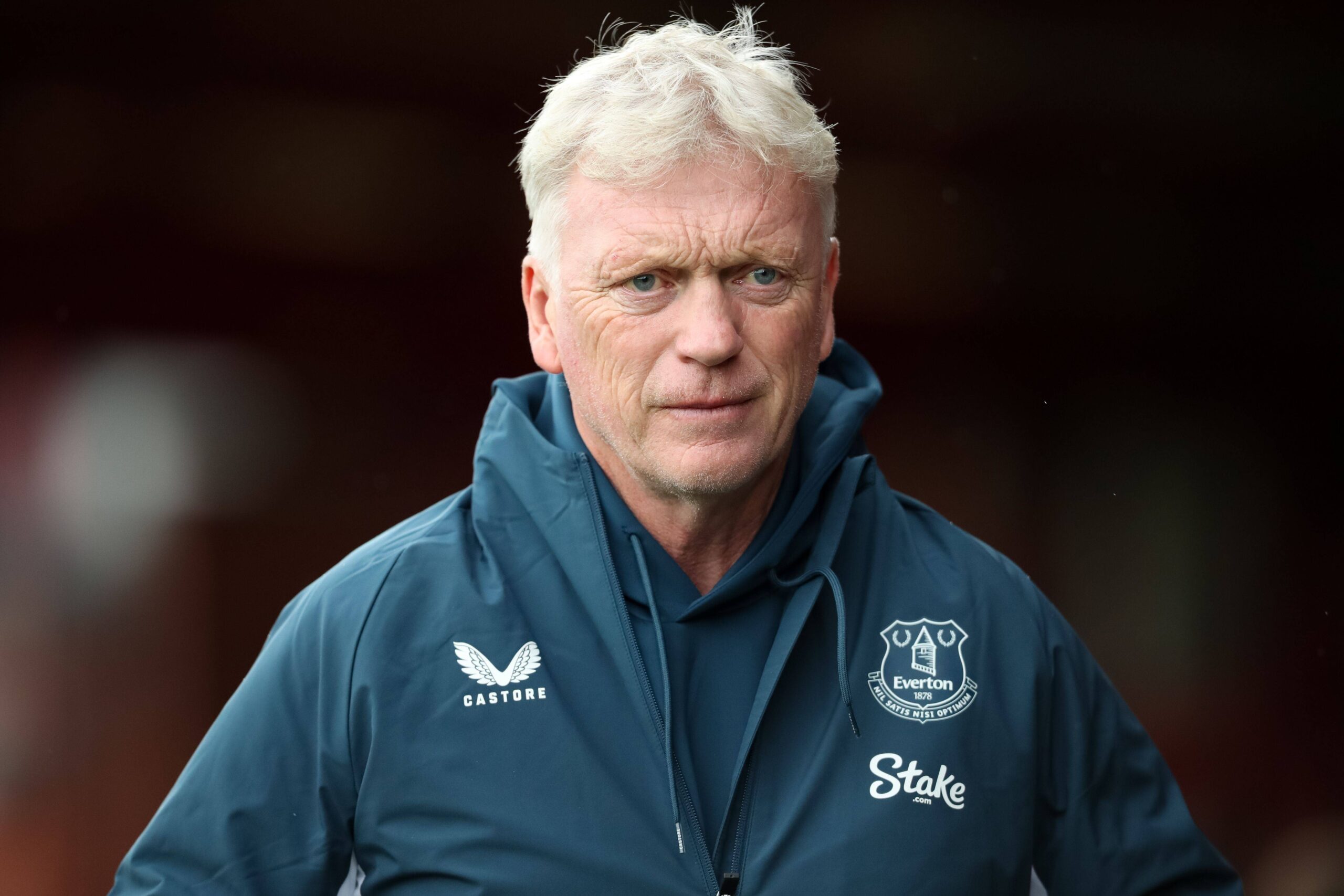

The FFP Welfare State: How Points Deductions Really Protect the Elite
Premier League fans have been sold a myth: that Financial Fair Play points deductions are a great leveller, punishing reckless spenders and protecting the league's integrity. The reality is far uglier. The system is a protection racket for the elite, a welfare state for the status quo disguised as financial prudence.
The Unequal Punishment of Ambition
Consider the recent cases. Everton were deducted ten points for breaching permitted losses by £19.5m over a three-year period. Nottingham Forest faced a four-point deduction for exceeding their allowance by £34.5m. Both clubs were fighting relegation. Both felt the lash of the regulatory whip. Meanwhile, Chelsea have spent over £1bn on transfers in two years, amortised across eight-year contracts, and escaped any meaningful sanction. Manchester City face 115 charges but the process drags on for years, allowing them to continue competing at the top.
The pattern is unmistakable: the punishment is swift and severe for clubs outside the cartel, while the dominant powers employ sophisticated accounting and legal delaying tactics. This isn't a financial fair play system. It's a financial class system.
Revenue Disparity: The Unspoken Assumption
The Premier League's profitability and sustainability rules are built on an assumption that is never questioned: that existing revenue streams are natural and acceptable. A club like Manchester United generates over £600m annually through global commercial deals, matchday income, and broadcast rights. A club like Brighton, despite its excellent recruitment, generates less than half that. The rules allow United to lose £105m over three years – a figure that is itself a generous allowance – but for Brighton, that same number represents a far greater share of their turnover.
What the rules do not address is how the revenue gap widens. The elite clubs benefit from historical advantage, bigger stadiums, and global branding built over decades. When a club like Newcastle United, backed by Saudi sovereign wealth, tries to break into the top six, it is immediately constrained by rules designed to protect the incumbents. The system punishes ambition while rewarding inertia.
- Everton's new stadium at Bramley-Moore Dock will increase matchday revenue, but the club was penalised for spending on player wages during construction – a catch-22.
- Nottingham Forest's promotion spending spree was necessary to avoid relegation, a gamble that the rules made even riskier by imposing limits that competitors in the Championship do not face.
- Chelsea's creative amortisation strategy – spreading transfer fees over eight years – effectively bypasses the spirit of the rules, yet the Premier League only closed the loophole after Chelsea had exploited it for a full transfer window.
The Counter-Argument: Financial Prudence Is Necessary
Defenders of the system argue that clubs must live within their means, that overspending leads to insolvency. Portsmouth, Rangers, and Bury are cautionary tales. They have a point. Unchecked spending can indeed destroy a club. But the current regulations do not prevent insolvency; they prevent competition. The one measure that would genuinely protect clubs from bankruptcy – a salary cap linked to revenue – is still being debated. Instead, the Premier League has opted for a complex, opaque system that punishes the newly promoted while leaving the established order untouched.
Furthermore, the rules are applied inconsistently. When Manchester City were found to have breached regulations in 2014, they were fined £49m. When Everton breached in 2023, they were deducted points. The difference? City have a legal team that can tie up proceedings indefinitely. Everton do not.
A Specific Prediction: The Next Victim Will Be a Promoted Club
By the end of the 2026-27 season, another recently promoted club will face a points deduction for overspending in their attempt to stay up. That club will be relegated as a direct result, while a top-six club with similar spending relative to its revenue will escape sanction through legal manoeuvring. The Premier League will then announce a review of the regulations, promising tighter enforcement – which will inevitably target the small clubs again. The elite will not be touched, because the system was designed to protect them.
Related Articles
Filed under: Opinion | LA Premier League Home