EFL Cup's rich history: from 1960 to Carabao, all you need to know
The English League Cup, now the Carabao Cup, has been a stage for drama since 1960. Discover its origins, record holders, and unforgettable giant-killings in this comprehensive guide.
- First winners: Aston Villa (1961)
- Record winners: Liverpool (10 titles)
- First Wembley final: 1967, QPR beat West Brom 3-2
- Current sponsor: Carabao (since 2017)
- Historic upset: Swindon Town beat Arsenal 3-1 in 1969
- Most consecutive wins: Liverpool (1981-84) and Man City (2018-21) – four each
Why the League Cup was created
The competition was conceived by Football League secretary Alan Hardaker during a period of significant change. Floodlights made evening matches feasible, and European competition crowded the calendar. Hardaker's broader restructuring plan failed, but the cup survived, open to Football League clubs.
Initially, top clubs declined to enter, but the lure of silverware, Wembley trips, and European qualification soon changed minds.
First winners – Aston Villa
Aston Villa beat Rotherham United in a two-legged final. Rotherham won 2-0 at Millmoor, but Villa triumphed 3-0 at Villa Park after extra time, securing a 3-2 aggregate victory. This comeback set the tone for a competition known for unpredictability.
The move to Wembley
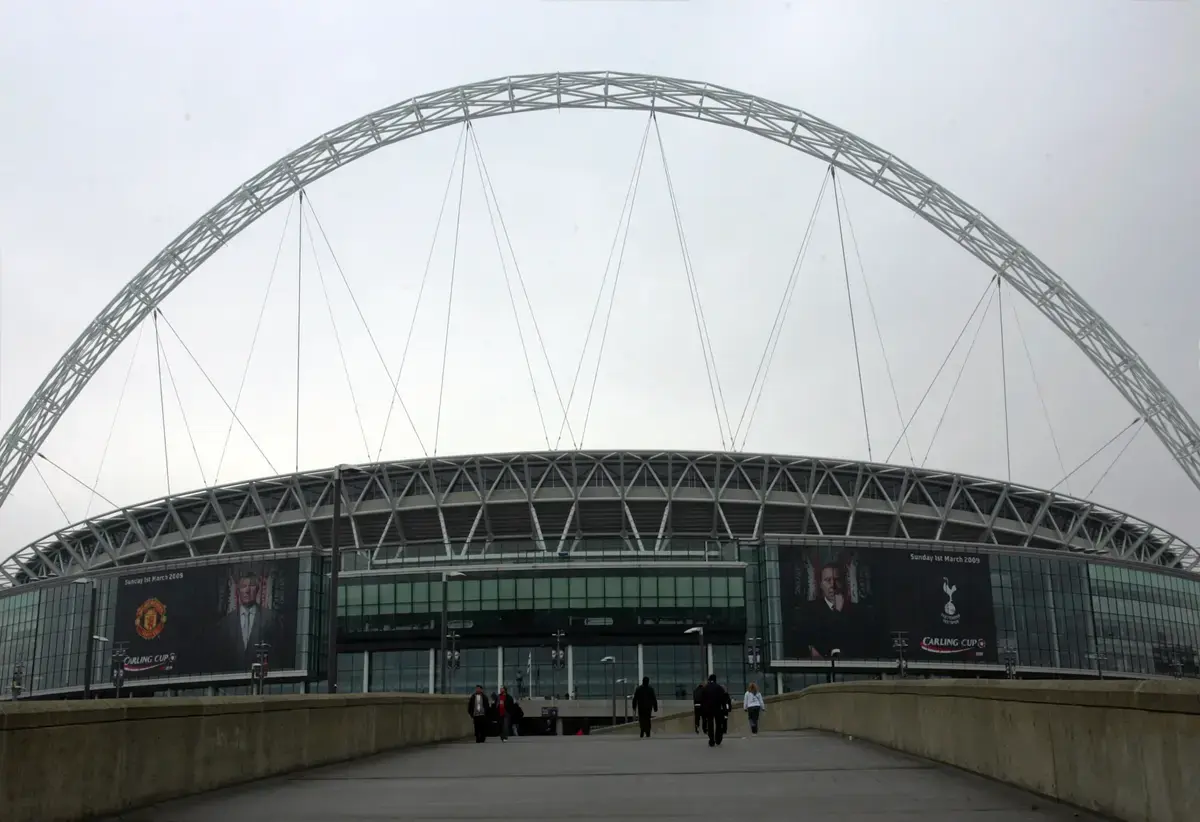
In 1967, the final became a single match at Wembley. The first such final saw Third Division Queens Park Rangers come from 2-0 down to beat holders West Bromwich Albion 3-2, the first third-tier club to win. This elevated the competition's status and offered a realistic route to Wembley.
The competition with many names
From the Football League Cup (1960-81), it became the Milk Cup (1981-86), then Littlewoods Challenge Cup (1986-90), Rumbelows Cup (1990-92), Coca-Cola Cup (1992-98), Worthington Cup (1998-2003), Carling Cup (2003-12), Capital One Cup (2012-16), EFL Cup (2016-17), and now Carabao Cup (2017-). Despite sponsors, fans still call it the League Cup.
Liverpool set the standard
Liverpool have won a record ten times, including four consecutive victories from 1981 to 1984. They added titles in 1995, 2001, 2003, 2012, 2022, and 2024. Manchester City follow with nine, including six between 2014 and 2021 (four straight 2018-21) and a 2026 triumph. Manchester United have six, while Aston Villa and Chelsea have five each. Tottenham and Nottingham Forest have four.
Brian Clough and Nottingham Forest
Forest won in 1978, 1979, 1989, and 1990 under Clough, reaching six finals. These victories highlighted Forest's knockout strength alongside their league and European success.
The great giant-killing finals
Swindon Town's 1969 win over Arsenal remains iconic. In the 1967 final, QPR's comeback stunned West Brom. These upsets define the competition's charm.
Analysis – why the League Cup matters
The League Cup's history shows its unique role. For top clubs like Liverpool and Man City, it's a trophy haul opportunity. For smaller clubs, it offers a realistic shot at Wembley and European football. Its two-legged early rounds and potential for giant-killings keep the romance alive.
The competition's evolution reflects English football's commercial growth, yet its core appeal remains: any club can dream.
Talking points
- Is Liverpool's record 10 titles untouchable given Man City's recent dominance?
- Should the final be at Wembley every year, or rotate to other stadiums?
- Does the competition devalue the FA Cup, or offer a necessary second domestic cup?
- Which sponsored era – Milk, Coca-Cola, or Carling – evokes the most nostalgia?
What happens next
The 2024/25 Carabao Cup continues, with EFL clubs battling for a place at Wembley. Every round brings the possibility of upsets and new memories, as the competition approaches its 65th anniversary.
Frequently asked questions
Who has won the most EFL Cups?
Liverpool have won a record 10 EFL Cup titles.
What was the original name of the competition?
The competition was originally called the Football League Cup.
When did the final move to Wembley?
The final moved to Wembley in 1967.
Related Articles
Filed under: Club News | LA Premier League Home