


The Transfer Market’s Cruelest Joke: Why Buying Your Way Out of Fixture Hell Won’t Work
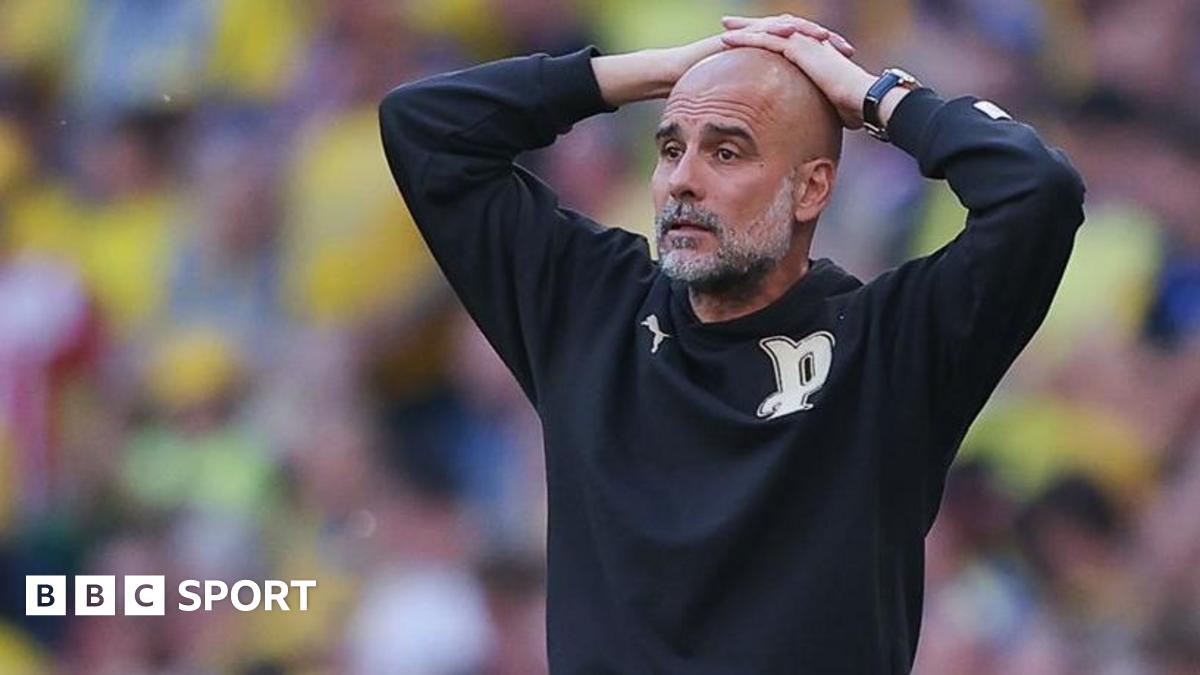
Manchester City's fixture pile-up shows the folly of using transfers to fix schedule chaos. A bold take on why money can't buy time.
There’s a special kind of irony reserved for the Premier League’s fixture schedulers. This week, they handed Manchester City a death sentence disguised as a fixture list: four games in eleven days, a stretch that would make even Pep Guardiola’s tactical board cry. Cue the usual transfer-market panic from fans and pundits alike: “City need reinforcements! They must buy their way out of this mess!”
But hold your horses—and your cheque books. The transfer market, for all its glitz and promise, cannot solve the fundamental problem of time. You cannot buy extra minutes in a day, no matter how many billions your sovereign wealth fund has. And yet, every January and summer, clubs treat the window like a magic eraser for their scheduling woes. They pile up bodies, hoping quantity will trump quality, only to find themselves with a bloated squad full of mismatched parts.
The Myth of Depth
Let’s be clear: City’s predicament is self-inflicted. They chased every trophy last season, gambled on a narrow squad, and now the bill is due. The answer, say the transfer hawks, is to splash cash on a backup holding midfielder, a versatile defender, and maybe a third-choice goalkeeper who doesn’t mind counting ceiling tiles. But here’s the thing: Pep Guardiola doesn’t do “backups.” He does “specialists for specific systems.” Buying a player just to fill a shirt is like buying a Ferrari to park it in a traffic jam.
Take John Stones’ impending exit. The departure of the club’s most elegant defender-ball-player hybrid leaves a gap—but not one that can be filled by any old centre-half. Stones was Pep’s chess queen. Replace him with a standard pawn, and the whole formation crumbles. Yet the rumor mill churns: “City eyeing a £50m defender!” As if that solves the tactical complexity Stones brought. It won’t.
- Fixture congestion isn't a squad-depth problem — it’s a stamina and luck problem. Even a 30-man squad can’t survive four games in eleven days without injuries.
- The transfer market is a lottery — you pay millions for a player who might take months to adapt to your system. City don’t have months. They have eleven days.
- Buying for “depth” often leads to deadwood — Kalvin Phillips, anyone? A £45m “squad player” who barely kicked a ball.
Why Arsenal’s Endrick Chase Is Just as Farcical
Meanwhile, Arsenal are reportedly plotting a £52m move for Real Madrid’s Endrick. The logic? A teenager who’s played about 200 minutes of first-team football will somehow solve the Gunners’ need for a reliable finisher. Even if Endrick is the next Ronaldo, throwing him into a Premier League title race is a recipe for crushing expectation. The transfer market thrives on hype, not reality. Arsenal would be better off teaching a Howitzer to dribble.
And then there’s Chelsea, overtaking United to sign… someone, anyone. The Blues have signed enough players to field three separate XIs, yet they still can’t beat a parked bus. Adding more names to the payroll won’t solve the fundamental problem of not having a coherent tactical identity. It’s like buying new spices for a stew that’s been burning for three years.
The Surprising Conclusion: Don’t Buy, Plan
Here’s the radical idea: instead of panic-buying in January, clubs should invest in better fitness coaches, load management, and—gasp—accepting that some fixtures will be lost. City might lose a league game against a relegation candidate because they’re playing on fumes. So what? No one wins the quadruple by demanding perfection. Sometimes the best transfer is the one you don’t make.
Look at Liverpool’s 2023-24 season: they barely bought anyone, focused on recovery, and almost won the league. Or Brighton, who sell their best players every window and still finish top half because their system adapts. The secret isn’t the player—it’s the philosophy. City have the philosophy; they just need to trust it rather than bailing out with a billion-pound life raft.
So before you tweet “FFS, just buy a left-back!” remember: the transfer market is a casino, not a pharmacy. It doesn’t cure exhaustion; it feeds the addiction of false hope. The real winners in this fixture pile-up won’t be the club with the deepest bench, but the one that rotates smartly, picks its battles, and maybe, just maybe, lets a midfielder drink more than one Red Bull at halftime.
In other words: keep your wallet closed and your eyes open. The transfer market’s cruelest joke is that it always promises salvation—but never delivers it on time.