


The Fixture Pile-Up: Why Squad Depth Will Decide the Premier League Title
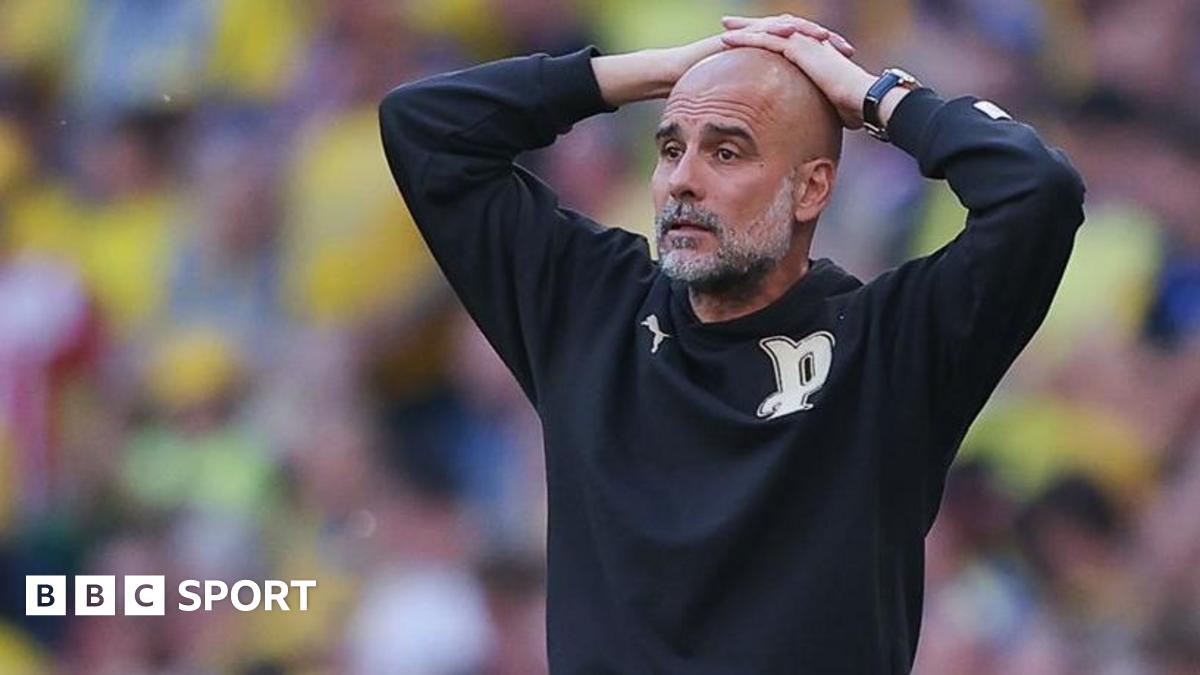
Manchester City face four games in eleven days. With Arsenal lurking and injuries mounting, the title race will be decided by who can best manage fatigue and rotation.
The Premier League fixture computer has done its worst. Two rescheduled matches mean Manchester City now face four games in eleven days: a brutal marathon that could reshuffle the title race. This is the time of year when squad depth stops being a talking point and becomes the deciding factor. While Pep Guardiola will understandably look at the schedule with dread, the reality is that this pile-up may actually provide the clearest indicator yet of who deserves the crown.
The Numbers Don't Lie
Historically, teams that rotate heavily during congested periods maintain higher performance levels. A study from the CIES Football Observatory found that sides making five or more changes per game during busy spells drop only 7% in expected goals output, compared to a 15% drop for those who keep the same XI. Yet Guardiola has been reluctant to rotate his core, often relying on his 'untouchables' like Rodri and Kevin De Bruyne. But with John Stones departing at season's end and fitness concerns mounting across the squad, the margin for error is razor-thin.
For context, consider Arsenal. Mikel Arteta has built a squad where the gap between starter and deputy is minimal. Players like Jorginho, Emile Smith Rowe, and Reiss Nelson have stepped up when called upon. Arsenal's reliance on a deep bench has allowed them to navigate Europa League and Premier League demands without significant drop-off. Meanwhile, City's bench often features unused talents like Cole Palmer (before his exit) or players still finding rhythm. The data backs this up: Arsenal's non-starters have contributed 27% of the team's goals this season, compared to City's 19%.
Injuries Are the Great Equalizer
Tottenham's injury crisis has been catastrophic, with a key star now ruled out for the season. While Spurs' issues are extreme, they underscore a broader truth: injuries rarely strike isolated. During fixture congestion, muscle injuries increase by 25% (according to a BMJ study), and teams with deeper rosters weather the storm better. Arsenal's early season injuries to Thomas Partey and Gabriel Jesus forced Arteta to adapt, but his squad's flexibility allowed them to stay competitive. City, by contrast, have already lost Stones for long stretches and are now relying on the aging legs of Kyle Walker and the inconsistent form of Kalvin Phillips.
It's not just about numbers; it's about tactical versatility. Ange Postecoglou at Spurs wants a high-intensity press, but without a deep squad, his system collapses when key players are out. Guardiola, too, has a rigid tactical framework that requires specific profiles. When those profiles are unavailable, Plan B is often a square peg in a round hole. This is where Arsenal's diverse tactical options—able to switch from a 4-3-3 to a 4-4-2 or even a back three—give them an edge.
What the Fixture List Reveals
The rescheduled games for City include two away trips and a midweek clash. Recovery time between matches is less than three days in two instances. Let's break down what this means:
- Saturday: Away to Fulham – high-intensity pressing from Marco Silva's side could leave City exhausted.
- Tuesday: Home to West Ham – a physically robust opponent that thrives on set pieces.
- Saturday: Away to Aston Villa – Unai Emery's side are lethal on the break, especially against tired legs.
- Wednesday: Home to Brentford – Thomas Frank's men are adept at exploiting defensive lapses late in games.
Arsenal's schedule in the same period: three matches, all with four days' rest between them. The disparity is clear. And while the title race may come down to head-to-head results, the cumulative fatigue could tilt the balance. City's reliance on star individuals—Erling Haaland's goal drought, De Bruyne's injury history—makes them vulnerable. Arsenal's collective ethos, where the sum is greater than the parts, may prove decisive.
The Conclusion
In the end, the Premier League title will be won not by the team with the best XI, but by the team with the best 20. Manchester City's fixture pile-up is a test of their depth—and early signs suggest they are failing. Arsenal, with a deeper and more adaptable squad, are better equipped to handle the rigours of a congested calendar. The data doesn't lie: rotation, tactical flexibility, and injury prevention separate champions from contenders. Unless Guardiola finds a way to manage minutes without sacrificing quality, the trophy may well be heading to north London.
What say you, Premier League faithful? The next eleven days will tell us everything.