


The Transfer Tango: Why Man City's Fixture Pile-Up Proves Spending Is Dead
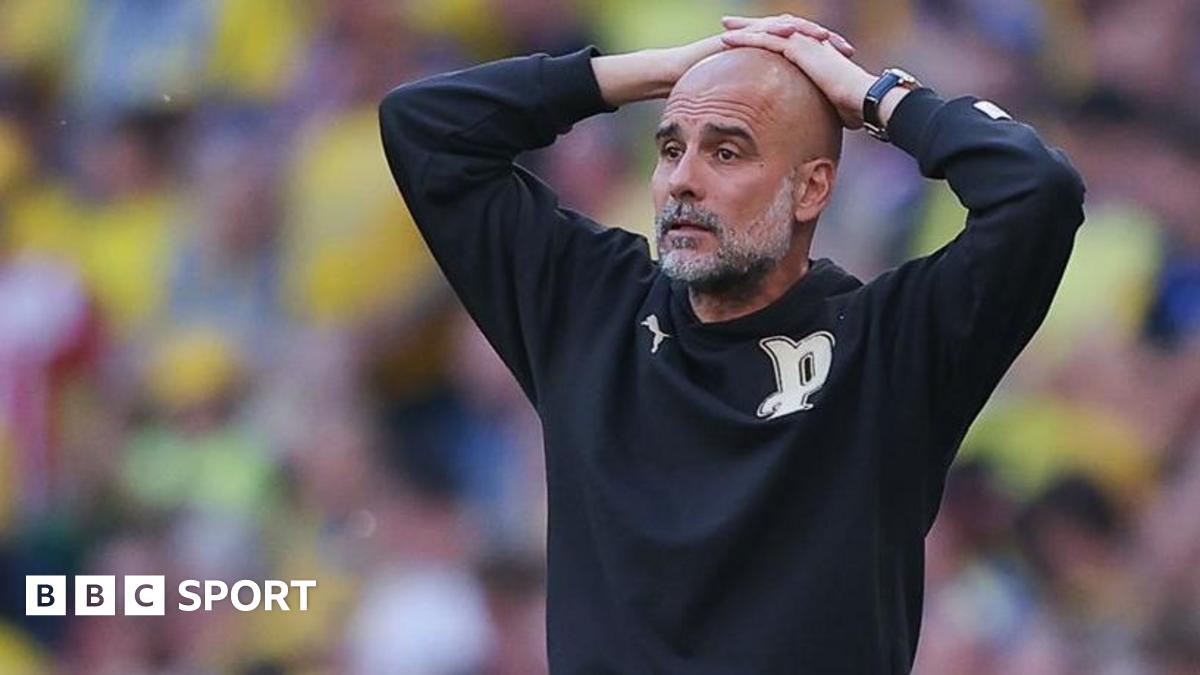
Man City's brutal schedule reveals the futility of big spending. The transfer market is broken, and here's why.
Four Games in Eleven Days? That's Not a Crisis—It's a Revelation
Manchester City face a fixture pile-up that would make a continental manager weep into his carbonara: four matches in eleven days, courtesy of the Premier League's rescheduling elves. The media is calling it a 'nightmare,' a 'grueling run,' a 'title-race decider.' But I see something else: the perfect illustration of why the transfer market, as we know it, is dead.
Let's be honest—when we hear 'fixture congestion,' our Pavlovian response is to mutter, 'They need a deeper squad.' And deeper squad means more money, more signings, more of the same arms race that has turned the Premier League into a gilded spreadsheet. But look closer at City's situation. They have the deepest squad in England, but even that can't paper over the cracks of a broken system. The problem isn't depth; it's the myth that buying players solves structural issues.
While John Stones bids an emotional farewell ('I lived all my dreams,' he said, presumably dreaming of four games in eleven days), Arsenal are reportedly plotting a £52m bid for Real Madrid's Endrick and a hijack of Manchester United's move for Ederson. Tottenham are eyeing a bargain for a star with 20 goal contributions, Chelsea are overtaking United for some managerial target, and West Ham want Fofana for £25m. It's a frenzy of numbers that feels less like strategy and more like a Darwinian scramble for shiny objects.
But here's the uncomfortable truth: spending doesn't fix fixture pile-ups. It doesn't fix injuries, like Tottenham's season-ending blow, or the sheer physical toll of modern football. The real solution is structural reform—smaller leagues, bigger squads, or even a salary cap. But that's not as sexy as a £52m wonderkid, so we ignore it.
The transfer market, as an institution, has become a placebo. Clubs use it to signal intent, appease fans, and justify high ticket prices. But the data suggests that big spending yields diminishing returns. Look at Chelsea's scattergun approach—overtaking United for a target doesn't guarantee success; it guarantees a bloated wage bill and a squad of mismatched parts.
Consider the case of Everton, who are reportedly eyeing Stoke's Sorba Thomas, a 23-goal-contributions winger. Is Thomas the spark the Toffees need? Or is he another lottery ticket in a system that rewards luck over planning? Leeds United's promotion push and Burnley's survival battle are determined more by managerial acumen and squad cohesion than by January window heroics.
The conclusion is start, and mildly ironic: the transfer market is over. Not dying—dead. It's a zombie lurching forward on ritual and broadcast revenue, while the real game is being played in boardrooms over fixture lists and rest periods. Manchester City's four-game slog isn't a call for more spending; it's a call for sanity.
So here's my proposal: next time a club face a fixture pile-up, let them suffer. Let them play kids, rotate ruthlessly, and see what happens. The transfer market will still be there, but maybe we'll realize that the best solution isn't a new signing, but a calendar that doesn't kill players. In the meantime, enjoy the chaos—and don't believe the hype about a £52m savior. The real transfer of power is happening on the pitch, not in the spreadsheet.
- The fixture pile-up exposes the limits of squad depth, no matter how much you spend.
- Big-money transfers are a placebo for structural problems—invest in recovery, not signings.
- The Premier League must prioritize player welfare over commercial interests, or the system will collapse under its own weight.
So yes, City will survive their eleven days. But the transfer market? It's on life support. And maybe that's exactly what the beautiful game needs: a moment to realize that you can't buy your way out of a broken schedule. You have to fix the schedule.