


The Noise vs. The Numbers: How to Read the Premier League Manager Stress Test
Separating social media panic from real warning signs in the Premier League manager pressure cooker, with a focus on Man City's fixture pile-up and Arsenal's pursuit.
There are two types of panic in the Premier League. The first is the kind that fills your Twitter timeline with emojis, gifs, and hot takes the moment a manager dares to substitute a fan favorite. The second is the cold, creeping dread that arrives when the fixture list starts looking less like a schedule and more like a threat. Right now, a few top-flight bosses are experiencing both, but only one of those panics should actually cost them their job.
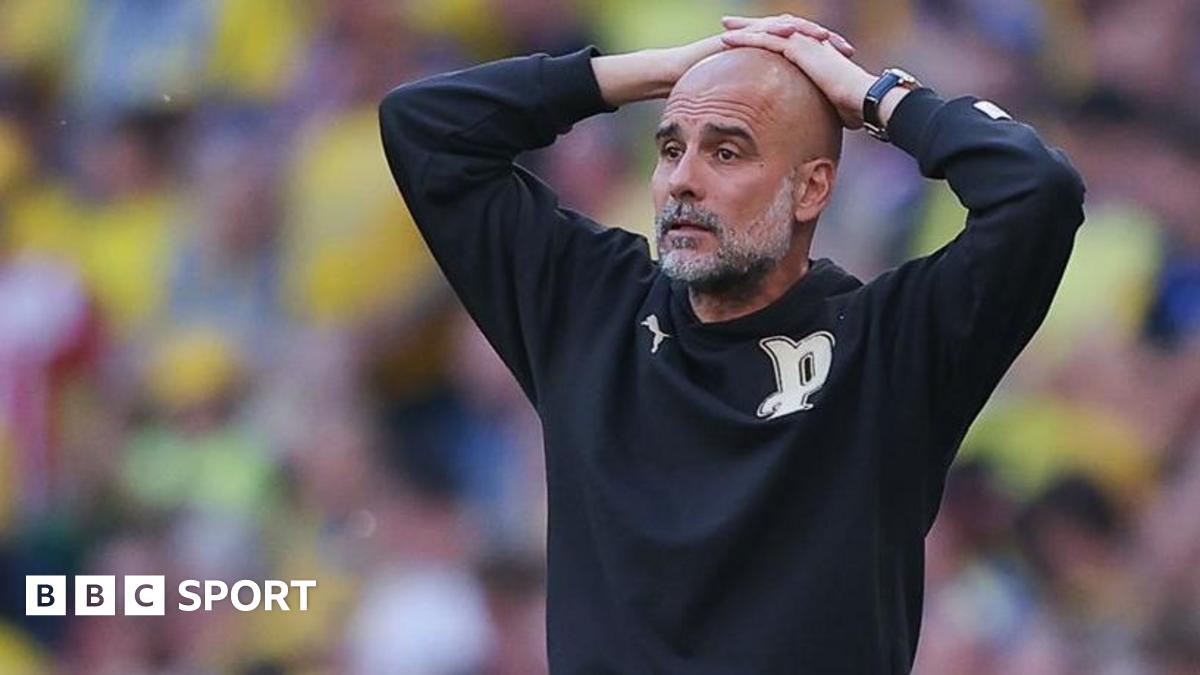
Take Manchester City, for instance. The Premier League has confirmed that Pep Guardiola’s side will play four matches in eleven days, a rescheduling that reeks of television money and a complete disregard for human endurance. Social media has, predictably, gone into meltdown. “Guardiola OUT!” screams the account with a profile picture of a cartoon dog. “The fixtures are rigged!” wails the one with a City scarf and a dark room behind him. But here’s the thing: Guardiola is not going to be sacked. He has earned enough credit to weather a scheduling storm. The real pressure is on managers who have no such reservoir of goodwill, and whose problems are not about fixture congestion but about fundamental flaws in their squad or tactics.
Consider the case of Tottenham Hotspur. A key star is ruled out for the season after an injury crisis that seems to have become a permanent feature of the club’s identity. Ange Postecoglou, once the darling of the tactical purists, now finds himself on the receiving end of a fanbase that has forgotten what patience feels like. The noise? It’s deafening. But is the noise justified? That depends on whether you believe a manager can be held responsible for players who crumple like they are made of old Fabergé eggs. The warning signs for Postecoglou are not the angry tweets or the pundit critiques—it’s the fact that his system, which relies on high intensity and physical commitment, seems to be breaking the very players who are supposed to execute it. That is a real problem. The social media noise is just the echo.
Meanwhile, across London, Arsenal are plotting a surprise move for Real Madrid’s teenage sensation Endrick, with a £52m bid reportedly in the works. The social media reaction is typical: “Arteta is cooking!” or “Endrick is a flop!” depending on which corner of the internet you inhabit. But the real pressure on Mikel Arteta comes from the numbers—not from memes. Arsenal are second in the league, but they have a habit of stuttering when it matters most. The warning sign is not that they are buying a young Brazilian; it is that they are doing so while their midfield options remain thin. The noise says “ambitious move.” The signal says “distraction from a bigger need.”
Then there is Chelsea, who have reportedly overtaken Manchester United as favorites to sign a key target this summer. The same Chelsea that has spent a billion pounds and is still somehow rebuilding. The noise around Stamford Bridge is a chaotic cacophony—every signing is either genius or lunacy, and every manager is either “the chosen one” or “already dead.” But the real warning sign for whichever poor soul takes the Chelsea job is the structure above them. No manager can thrive when the football operations are run like a fantasy league roster. The signal: look at the technical director, not the dugout.
And what of Manchester United? Rumors of a hijacked transfer only add to the sense of drift. The noise is relentless: “Ten Hag has lost the dressing room,” “Ten Hag is a tactical genius,” repeat ad nauseam. But the real warning sign is the lack of an identifiable identity. United do not press well, do not keep possession well, and do not counter-attack well. They are an expensive bog. The noise is just the spin cycle.
So how do we separate the signal from the noise? Here is a simple checklist:
- Fixture pile-up? That’s noise. Every top club deals with it. The manager is not the cause.
- Injury crisis? Possibly signal—if the same players keep breaking down, it might be the training regime or tactics, not bad luck.
- Bad results? Noise, if it’s a short run. Signal, if it’s a pattern over 10+ games with no sign of improvement.
- Transfer rumors? Mostly noise. Unless the manager is openly complaining, it’s just journalism.
- Fan anger on social media? Pure noise. Always. Even when they are right, they are too loud to hear.
The conclusion is simple: the Premier League is not a democracy, and Twitter is not a ballot box. Managers are sacked because of structural failures, not because of trending hashtags. Guardiola will survive the pile-up because his system is proven. Postecoglou will survive if he adapts—and he might not. Arteta will survive because the board bought his plan. Chelsea’s next manager will survive until the next Instagram unfiltered statement from the owner. The noise is just the soundtrack. The signal is in the numbers, the tactics, and the underlying data. So next time you see a viral post demanding a manager’s head, ask yourself: is this a real warning sign, or just another Tuesday on the timeline?
The Bottom Line
The fixture heap is a test of squad depth, not a death sentence. The real pressure points are the ones you cannot see from a comment section.