


The Managerial Hot Seat: Separating Social Media Noise from Real Warning Signs
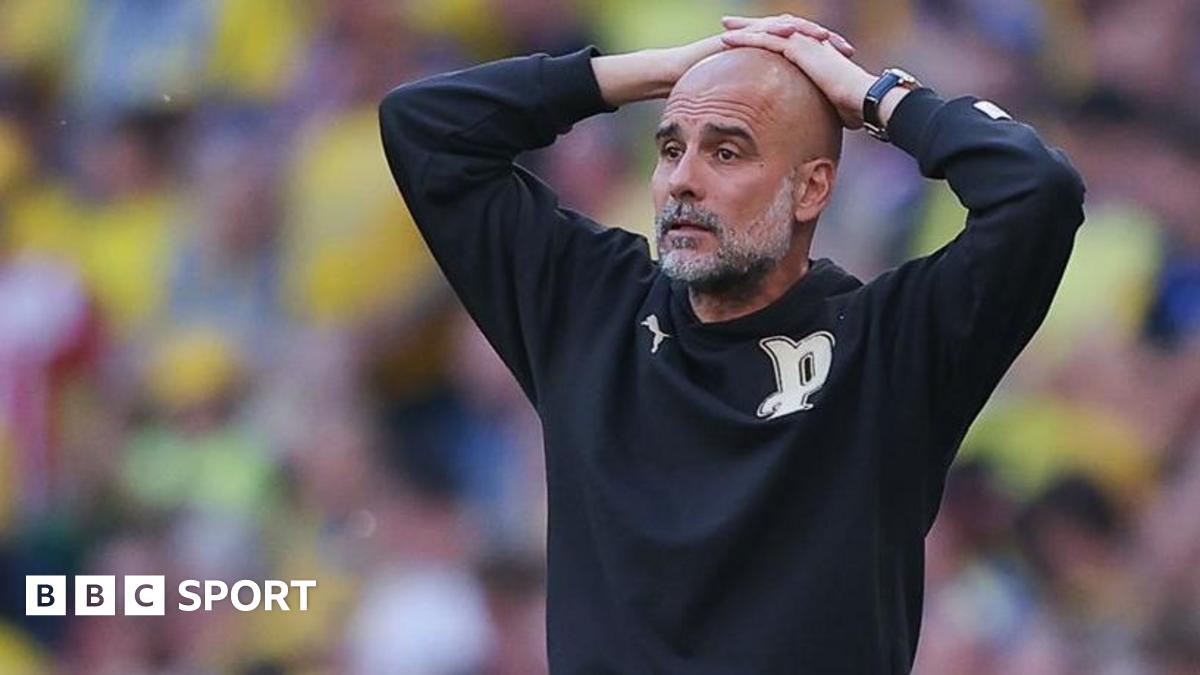
In the age of Twitter meltdowns and fan fury, how do we separate real managerial pressure from mere social media noise? A look at the current Premier League landscape.
Another week, another manager under fire. Scroll through any Premier League timeline and you'll find a chorus of fans demanding heads roll. Ange Postecoglou is a 'disgrace', Pep Guardiola has 'lost it', and Mikel Arteta is 'too stubborn'. But in the echo chamber of social media, how do we separate the genuine warning signs from the background noise? The answer lies not in trending hashtags, but in the cold, hard facts of fixture congestion, injury crises, and boardroom stability.
The Social Media Trap
Twitter and Reddit have turned every defeat into a crisis. After Tottenham's loss last weekend, the hashtag #PostecoglouOut trended for hours. Yet the same platform hailed him as a genius in October. This whiplash is the nature of the beast. Social media rewards outrage, not nuance. But a real warning sign is structural, not emotional. When a manager loses the dressing room, or when results follow a clear pattern of decline, that's when the alarm bells should ring—not when a 19-year-old fan rage-tweets after a 2-1 loss.
Real Warning Sign #1: Fixture Pile-Ups and Burnout
Take Manchester City. Four matches in 11 days. On paper, that's a nightmare. But Pep Guardiola's side has depth, experience, and a track record of navigating such runs. The real warning sign would be if players started dropping like flies, or if performances dipped markedly. So far, City have managed. Compare that to Tottenham, where a key player is now ruled out for the season. That's a genuine red flag. Ange's system demands high intensity; without a full squad, it's a ticking time bomb.
Real Warning Sign #2: Transfer Market Desperation
When a club starts making panic buys or loses out on priority targets, the manager's position weakens. Arsenal are reportedly plotting a £52m move for Endrick. That's ambition, not desperation. But when West Ham chase a £25m midfielder while their manager's job hangs by a thread, that's a different story. The board's level of support—or lack thereof—is a clearer indicator than any fan poll. If the owners are willing to back their man, the pressure is manageable. If they start leaking 'alternative targets' to the press, start the countdown.
The John Stones Factor
Sometimes, the most telling sign is a player's departure. John Stones confirming his exit from City after 'living all his dreams' is a graceful exit, not a crisis. But when a star player leaves amid tension, as we've seen at other clubs, that's a warning. The tone matters. Stones's farewell was emotional and respectful; that's a club in harmony. Contrast that with the acrimonious exits we've seen elsewhere—those are the ones that hint at deeper issues.
Conclusion: Trust the Trend, Not the Tweet
The next time you see a manager trending, ask yourself: Is this a blip or a pattern? Are the injuries piling up? Is the board restless? Are key players eyeing the exit? Social media will always amplify the loudest voices, but the real story is written in the performances, the medical reports, and the transfer dealings. So before calling for Ange's head or writing off Pep, take a breath. The Premier League is a marathon, not a Twitter thread. And the managers who survive are those who can tune out the noise and focus on the signals that actually matter.
- Fixture pile-ups test squad depth, not managerial ability.
- Injury crises are real warning signs; fan outrage is not.
- Board support in the transfer window speaks louder than any hashtag.
- Player departures with grace indicate stability; acrimony signals trouble.