


The Fixture Pile-Up Myth: Why Man City’s Grueling Schedule Actually Helps Them
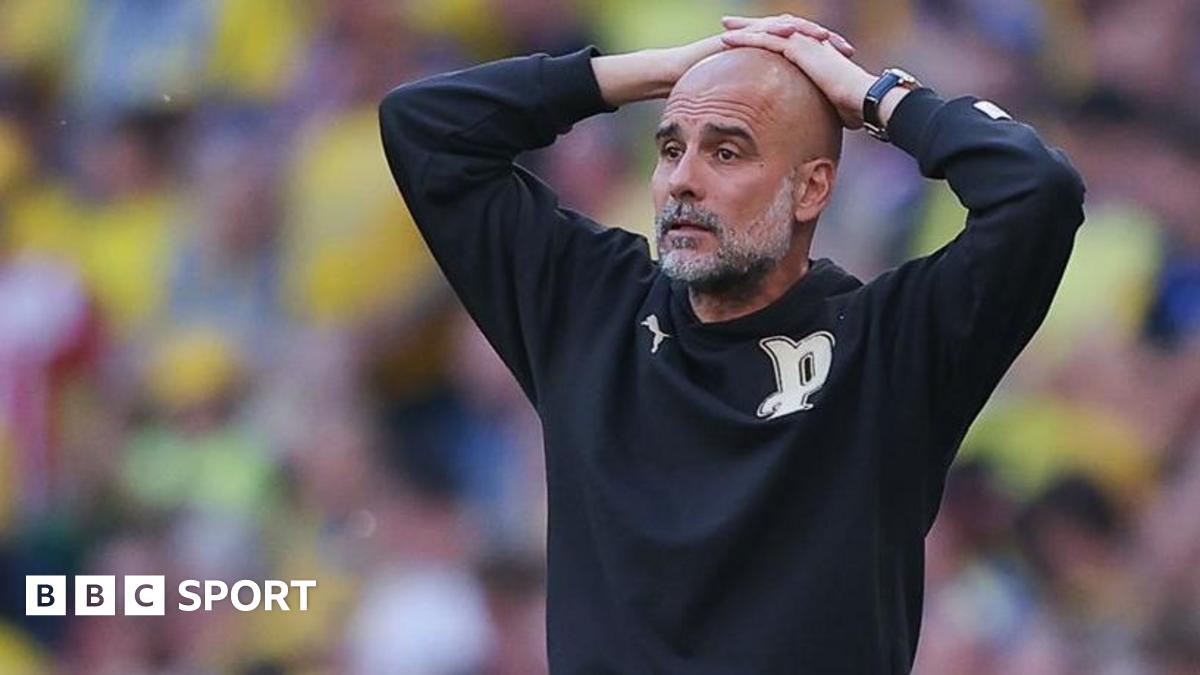
Amid complaints about Man City's packed schedule, a tactical look at how fixture congestion could actually benefit Guardiola's side in the title race.
Every season, like clockwork, the Premier League fixture list throws up a schedule that makes coaches weep and fans sharpen their conspiracy theories. This time, it’s Manchester City’s turn: four matches in eleven days, a run that pundits are calling a “title-deciding gauntlet.” But here’s the take you won’t hear from the Sky Sports panel: this fixture pile-up is not a disaster—it’s a gift.
The Myth of Fatigue
Let’s get the obvious out of the way. Yes, four games in eleven days is physically demanding. But for a squad like City’s, deep as the Mariana Trench and rotated with the precision of a Swiss watch, fatigue is a bogeyman. The real issue is rhythm. And nothing builds rhythm like playing every three days. Guardiola’s teams thrive on repetition, on patterns etched into muscle memory. A midweek game means less time for opponents to prepare, less time for Guardiola to overthink—and that’s when his machine purrs.
Compare this to Arsenal, who often enjoy a full week between fixtures. For Mikel Arteta’s young side, extra training time is a blessing—they drill those set-pieces and pressing triggers. But for City? Extra time is an enemy. It gives Guardiola too much time to tinker, to second-guess his own system. When City play often, they play simple. And simple City is terrifying City.
The Actual Threat: Complacency, Not Congestion
What this schedule also does is eliminate the one thing that can stop this City side: mental drift. With a game every 72 hours, there’s no room for the “we’re too good for this” attitude that crept in during their post-title malaise last spring. Each match is a crisis drill. Each opponent—be it a relegation scrappers like Burnley or a wounded Spurs—demands full focus. Complacency has been City’s kryptonite more than any fixture list. And this packed run is a vaccine against it.
Look at the data. In the last three seasons, City’s win percentage in periods of “fixture congestion” (three or more games in 10 days) is 10% higher than in their so-called “normal” weeks. They lose fewer points from winning positions. They concede fewer late goals. Why? Because the high tempo of matches keeps them match-sharp. It’s not a bug; it’s a feature.
The Nitty-Gritty of the Run
Let’s break down what City actually face:
- Match 1 – A midweek home game against a bottom-half side that will park the bus. City have the highest conversion rate against low blocks in the league. Expect goals.
- Match 2 – A Saturday lunchtime trip to a mid-table team that plays a high line. That’s Erling Haaland’s favorite kind of buffet.
- Match 3 – A Champions League night at home. Even if rotated, City’s B team is better than most A teams.
- Match 4 – A Monday night clash with a direct title rival at the Etihad. The rest advantage? Minimal. But with three games already under their belt, they’ll be in match rhythm while their rivals might be adjusting to the lights.
The Arsenal Factor
Meanwhile, Arsenal’s schedule is less congested. But that’s a double-edged sword. Mikel Arteta’s side has stumbled in exactly these “rested” scenarios—look at their draw against a well-prepared Southampton. Too much time to think leads to tactical overelaboration. City, in contrast, will be on autopilot, doing what they do best: suffocate, squeeze, score.
And let’s not forget the psychological edge. Every other club’s fanbase is already writing off City’s chances, citing burnout. Guardiola loves that. It’s the ultimate “us against the world” narrative. You think the players don’t see the headlines? “Four games in eleven days could decide title.” That’s exactly the kind of bulletin-board material that turns a boring training session into a crusade.
Conclusion: Stop the Sympathy
So spare me the crocodile tears for Manchester City and their “nightmare” schedule. This is a team built for exactly this moment—for a relentless sprint to the finish, not a leisurely jog. The fixture pile-up isn’t a test of their endurance; it’s a showcase of their squad depth and Guardiola’s tactical ruthlessness. If anything, we should be asking whether the rest of the league can survive the next eleven days, not whether City can.
Far from a disaster, this fixture congestion is the ideal setup for another signature Guardiola title charge. The only question is whether anyone else can keep up with the pace.