


Premier League Manager Rankings 2025/26: Arteta Tops the New Tactical Hierarchy
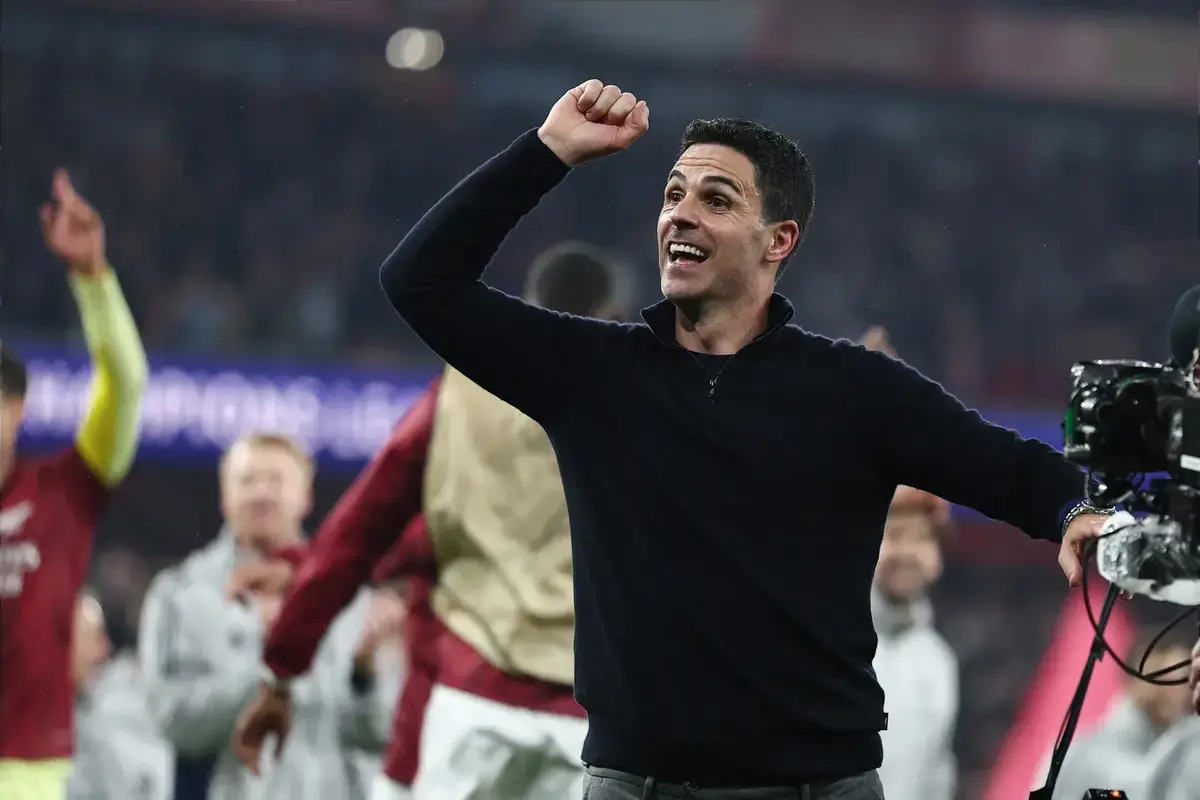
Our definitive ranking of all 20 Premier League managers for the 2025/26 season, with Mikel Arteta leading a new era of tactical innovation.
The Rise of the Tactician
The 2025/26 Premier League season has been less about marquee signings and more about the brilliance of the men in the dugout. Managers have defined their teams' identities, turning tactical battles into the league's main storyline. From Mikel Arteta's Arsenal evolution to the pragmatic revival of traditionalists, we rank every manager based on their impact, innovation, and results.
1. Mikel Arteta (Arsenal)
Arteta has cemented his status as the league's premier tactician. Arsenal's fluid 4-3-3 morphs into a 3-2-5 in possession, overwhelming opponents with positional play. His ability to develop young talent and adapt mid-game has kept Arsenal in the title race. With a points-per-game average exceeding 2.0, Arteta's Arsenal is a machine.
2. Pep Guardiola (Manchester City)
Guardiola remains a juggernaut, but City's reliance on ageing stars has seen them slip to second. His innovations—like inverted full-backs and false nines—still inspire, but consistency has waned. Even so, any Guardiola team is a tactical marvel.
3. Jurgen Klopp (Liverpool)
Klopp's gegenpressing has evolved into a controlled chaos. Liverpool's high line and relentless energy remain potent, but injuries have exposed a lack of depth. Still, Klopp's man-management and big-game mentality keep Liverpool in the top tier.
4. Unai Emery (Aston Villa)
Emery's transformation of Villa is astonishing. His meticulous preparation and tactical flexibility have turned a mid-table side into Champions League contenders. Villa's set-piece prowess and quick transitions are a nightmare for opponents.
5. Mauricio Pochettino (Chelsea)
After a rocky start, Pochettino has instilled a clear identity. Chelsea's press and fluid attack have yielded results, though consistency remains elusive. His ability to integrate expensive signings is key to moving up this list.
6. Erik ten Hag (Manchester United)
Ten Hag's rebuild at United is taking shape. His demanding style and tactical discipline have improved the defense, but the attack still lacks incision. A top-four finish would validate his methods.
7. Ange Postecoglou (Tottenham)
Postecoglou's unwavering attacking philosophy has won admirers but also criticism for naivety. Tottenham's thrilling football comes at a defensive cost. If he finds balance, he could leapfrog rivals.
8. Eddie Howe (Newcastle)
Howe's man-management and tactical adaptability have kept Newcastle competitive despite PSR constraints. His side is organized and dangerous, but a lack of a top-tier striker limits their ceiling.
9. Thomas Frank (Brentford)
Frank consistently overachieves with a modest budget. Brentford's set-piece excellence and cohesive pressing are a testament to his coaching. A model of consistency.
10. Marco Silva (Fulham)
Silva's Fulham play attractive, possession-based football. His ability to maximize individual talents like Mitrovic (now departed) and Pereira shows his tactical acumen. Mid-table security is his hallmark.
11. Gary O'Neil (Wolves)
O'Neil has steadied Wolves after a turbulent period. His pragmatic approach and defensive solidity have worked against top teams, but a lack of goals keeps him from higher rank.
12. Sean Dyche (Everton)
Dyche's no-nonsense style has kept Everton up against the odds. His team is physically imposing and hard to beat, but the football is often ugly. Points over spectacle.
13. Oliver Glasner (Crystal Palace)
Glasner's high-pressing system has yielded results at Palace, but inconsistency on the road is a concern. His tactical flexibility is promising but unproven over a full season.
14. Andoni Iraola (Bournemouth)
Iraola's vertical football and intense pressing have made Bournemouth a formidable opponent. Injuries have hurt, but his philosophy is clear and effective.
15. David Moyes (West Ham)
Moyes has returned to West Ham's pragmatic roots. Solid defensively and dangerous on the counter, but flair is sacrificed. Europa League qualification is a realistic aim.
16. Roberto De Zerbi (Brighton) — if he had stayed, he'd be higher
De Zerbi's replacement, Fabian Hurzeler (not ranked yet), has a tough act to follow. The ranking reflects the current manager's relative inexperience.
17. Steve Cooper (Leicester)
Cooper has kept Leicester competitive after promotion, but his style is cautious. Survival alone may not be enough for his fanbase.
18. Russell Martin (Southampton)
Martin's possession-heavy approach has divided opinion. Risk-taking out of the back leads to goals but also errors. A work in progress.
19. Paul Heckingbottom (Sheffield United)
Heckingbottom's direct style is effective against big teams but often exposed by deeper ones. Relegation seems likely unless he adapts.
20. Rob Edwards (Luton Town)
Edwards has won plaudits for Luton's fighting spirit, but tactical limitations against higher-quality sides are clear. Survival would be a miracle.
Managerial influence has never been greater. The 2025/26 season is a testament to the art of coaching, with Arteta leading a new hierarchy that blends innovation, tradition, and sheer tactical nous.